 Soku AI
How SaaS Startups Are Cutting CAC by 40%+ with AI Ad Creatives
SaaS customer acquisition costs have risen 60% in five years. Here's how startups are using AI-generated ad creatives to reverse the trend — with real benchmarks, strategies, and a step-by-step playbook.
By Soku Team · March 17, 2026 · 10 min read
The average B2B SaaS company now spends $1,200 to acquire a single customer. That number has risen 60% over the past five years, and it climbed another 14% through 2025 alone. For startups burning through runway, every dollar of CAC inefficiency is a month closer to a down round — or worse.
But a counter-trend is emerging. Companies that have integrated AI across their ad creative workflow — from generation to testing to performance analysis — are reporting CAC reductions of 40-47%. Not through marginal optimization, but through a fundamentally different approach to creative production and iteration.
This article breaks down exactly how SaaS startups are using AI ad creatives to cut acquisition costs, with real benchmarks and a practical playbook you can implement this quarter.
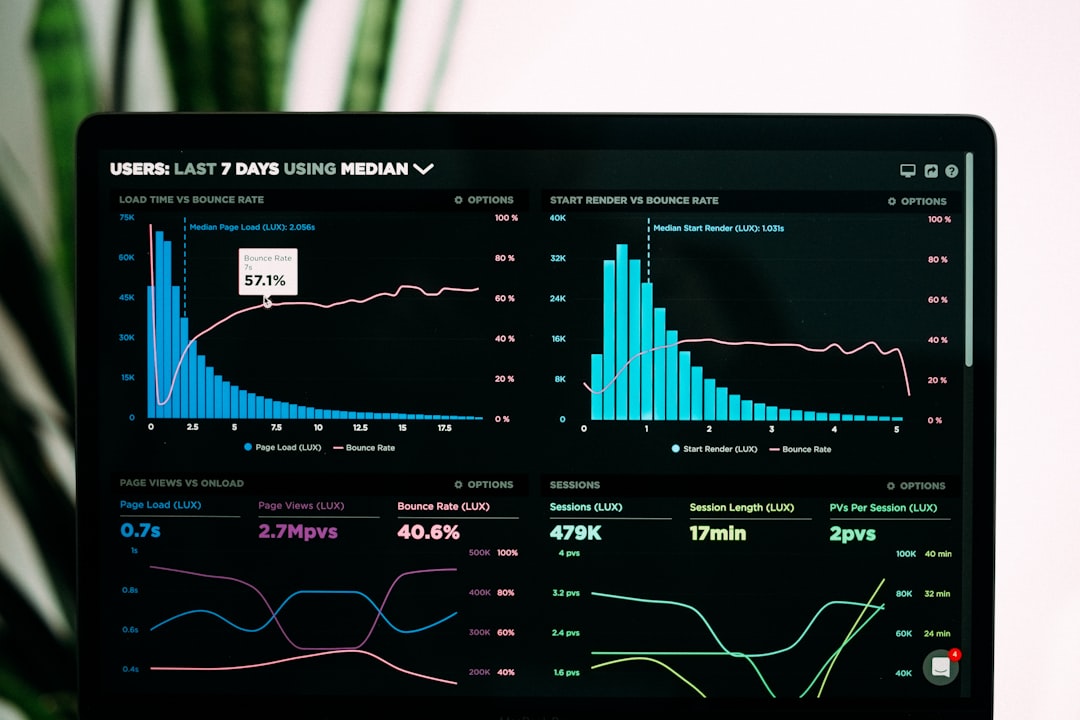
The SaaS CAC Crisis in Numbers
Before diving into solutions, it helps to understand the scale of the problem:
| Metric | 2026 Benchmark |
|---|---|
| Average B2B SaaS CAC | $1,200 |
| eCommerce SaaS CAC | $274 |
| Fintech SaaS CAC | $1,450 |
| General SaaS CAC | $702 |
| Self-serve product CAC | $100–$500 |
| Enterprise deal CAC | $5,000+ |
| Minimum viable LTV:CAC ratio | 3:1 |
| CAC increase (5-year trend) | +60% |
The drivers are familiar: rising CPMs across Meta and Google, increased competition for the same audiences, and creative fatigue that burns through ad sets faster than teams can produce new ones. A SaaS startup running paid acquisition typically needs 15-30 fresh creative variants per month just to maintain performance — a production volume that most early-stage teams cannot sustain with human designers alone.
Why Creative Is the Biggest CAC Lever
Meta's own research shows that creative quality drives up to 56% of auction outcomes — more than targeting, bidding, or placement combined. Google's Performance Max campaigns are similarly creative-dependent, with the algorithm optimizing delivery but relying entirely on the creative inputs you provide.
For SaaS startups, this means:
- Creative fatigue is your #1 CAC inflator. When audiences see the same ad too many times, click-through rates drop, CPAs rise, and the algorithm deprioritizes your ads. Most SaaS ads hit fatigue within 7-14 days.
- Volume of variants matters more than individual creative quality. Running 20 decent variants and letting the algorithm find winners consistently outperforms running 3 "perfect" creatives.
- Speed of iteration determines your optimization ceiling. If it takes your team two weeks to produce new creative, you are always reacting to fatigue rather than preventing it.
This is precisely where AI changes the equation.

The AI Creative Playbook for Lower CAC
Companies achieving 40%+ CAC reductions are not just using AI to generate pretty images. They are running a systematic workflow that covers the full creative lifecycle.
Strategy 1: AI-Generated Creative Variants at Scale
The most immediate impact comes from volume. AI video and image generators — Kling, Runway, Pika, and others — can produce 20-50 ad creative variants in the time it takes a human designer to produce 3-5.
What this looks like in practice:
- Week 1: Generate 30 video ad variants from 5 different angles (pain point, social proof, demo, comparison, founder story)
- Week 2: Analyze performance, kill the bottom 70%, scale the top 30%
- Week 3: Generate 20 new variants inspired by the winning angles, with variations in hook, pacing, and CTA
- Week 4: Repeat
Brands that refresh video creative every 14 days and combine it with AI-optimized audience expansion report a 44% lower average social media CAC compared to brands running static ad formats. That is not a marginal improvement — it is nearly half.
Key tools for SaaS creative generation:
- AI video generators (Kling, Runway, Pika) for product demos, explainer clips, and social-first video ads
- AI avatar tools (HeyGen, Creatify) for UGC-style talking-head ads — the format that consistently outperforms polished brand content in SaaS paid social
- AI image generators for static ad variants, social cards, and display ads
Strategy 2: UGC-Style AI Ads for SaaS
The highest-performing SaaS ad format in 2026 is not the polished brand video. It is the UGC-style talking-head ad — someone explaining why they switched to your product, demonstrating a workflow, or reacting to a pain point your product solves.
The problem: real UGC is expensive and slow. Finding creators, briefing them, reviewing footage, and editing takes 2-4 weeks per batch. AI avatars compress that to hours.
The workflow:
- Write 10 scripts targeting different pain points and audience segments
- Generate each script as a video using AI avatars (different presenters, backgrounds, styles)
- Test all 10 on Meta and TikTok
- Double down on winners, generate 5 more variations of the top performer
SaaS companies running this playbook report 30-50% lower CPA on AI UGC ads compared to traditional brand video, primarily because the format signals authenticity in the feed — even when the presenter is AI-generated.
Strategy 3: Rapid Hook Testing
The first 3 seconds of a video ad determine whether someone watches or scrolls. For SaaS products where the value proposition is abstract ("save time on X," "automate Y"), finding the right hook is the difference between a $50 CAC and a $200 CAC.
AI enables a testing velocity that was previously impossible:
- Generate 10 different hooks for the same core message
- Each hook uses a different emotional trigger: curiosity, pain, social proof, contrarian take, specific number
- Run all 10 as separate ads with $20-50 budget each
- Within 48 hours, you know which hook resonates — then scale it
Example hooks for a project management SaaS:
- "We replaced 3 tools with one and saved $40K/year" (specific number)
- "Our team was drowning in Slack threads until we found this" (pain)
- "Why 2,000 startups switched their project management this quarter" (social proof)
- "Stop using spreadsheets to track projects in 2026" (contrarian)
- "The tool our engineering team refused to give up after the free trial" (curiosity)
Without AI, producing video versions of all 10 hooks takes a design team a full sprint. With AI, it takes an afternoon.
Strategy 4: Cross-Channel Creative Intelligence
The most sophisticated SaaS growth teams are not just generating more creative — they are building feedback loops between creative performance and creative production.
This means:
- Identifying why creatives work, not just that they work. Is it the hook? The visual style? The pain point? The CTA placement?
- Cross-pollinating insights across channels. A hook that works on Meta often works on Google video ads and TikTok — but only if you are tracking creative performance across all three.
- Predicting fatigue before it hits. If a creative's click-through rate is declining 2% daily, you know it has 5-7 days left. Start generating replacements now, not when CPA spikes.
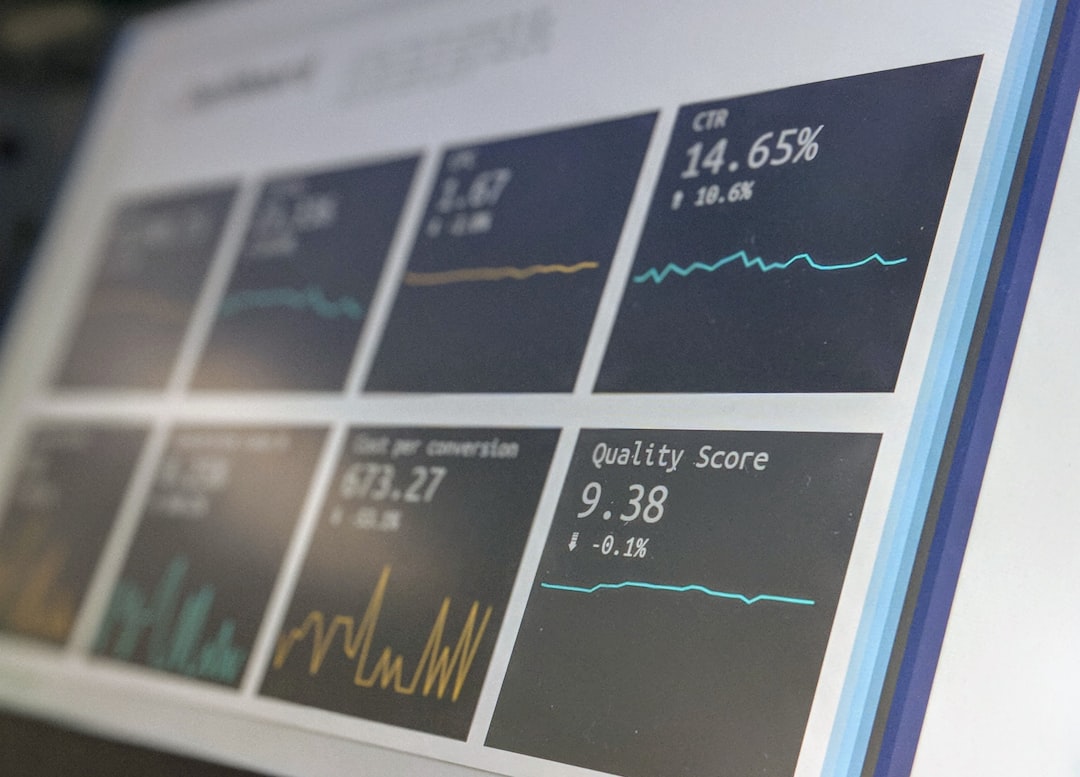
This is where most teams hit a wall. They can generate creative at scale, but they cannot analyze performance at scale. Dashboards show numbers, but they do not tell you what to make next.
Soku was built for exactly this gap. It connects to your ad platforms — Meta, Google, TikTok — and acts as an AI marketing agent that identifies which creatives are performing, diagnoses why others are failing, and generates specific briefs for your next production cycle. Instead of manually pulling reports from three platforms and trying to spot patterns, Soku surfaces insights like:
- "Creative A's CPA increased 35% this week — hook fatigue detected. The visual style still performs; generate new hooks with the same aesthetic."
- "Pain-point messaging outperforms feature messaging by 2.3x across all channels. Shift next batch toward problem-aware angles."
- "Your TikTok top performer has a 92% correlation with your worst Meta performer. Platform-specific creative needed."
The loop becomes: generate → test → analyze → brief → generate. Each cycle is faster and more informed than the last.

CAC Reduction Math: A Real Example
Here is how the numbers work for a hypothetical B2B SaaS startup spending $30K/month on paid acquisition:
| Metric | Before AI Creatives | After AI Creatives |
|---|---|---|
| Monthly ad spend | $30,000 | $30,000 |
| Creative production cost | $5,000/mo (agency) | $500/mo (AI tools) |
| New variants per month | 8-12 | 40-60 |
| Average creative lifespan | 10 days | 14 days (less fatigue) |
| Average CPA | $180 | $108 (-40%) |
| Monthly new customers | 167 | 278 |
| Effective CAC (incl. production) | $210 | $110 |
The savings come from three places:
- Lower production costs — AI tools cost $100-300/month vs. $3,000-8,000/month for agency creative
- Lower CPA — more variants means the algorithm has more options to optimize against, and faster refresh reduces fatigue
- Higher conversion rates — rapid testing finds winning messages faster, so more of your budget flows to creatives that actually convert
At a 3:1 LTV:CAC target, cutting CAC from $210 to $110 means your minimum viable LTV drops from $630 to $330 — dramatically expanding the range of customers you can profitably acquire.
Common Mistakes to Avoid
Generating volume without strategy
AI makes it easy to produce 100 ad variants. But if all 100 test the same angle with slightly different visuals, you have not actually expanded your creative testing surface. Structure your generation around distinct hypotheses: different pain points, different audiences, different formats.
Ignoring platform-specific creative requirements
A video that performs on TikTok will not necessarily work on LinkedIn. SaaS startups often make the mistake of generating one batch of creative and distributing it everywhere. AI tools make it cheap enough to generate platform-specific variants — so do it.
Treating AI creative as set-and-forget
The value of AI creative is not just lower production costs — it is faster iteration cycles. If you generate a batch of AI creatives and then do not analyze performance for three weeks, you have missed the point. The goal is a continuous generate-test-learn loop, ideally on a weekly cadence.
Over-optimizing for CTR instead of CAC
AI tools can generate attention-grabbing hooks that drive high click-through rates but attract low-intent traffic. Always optimize toward downstream metrics — trial starts, qualified signups, or revenue — not just clicks.
Getting Started: A 30-Day Plan
Week 1: Foundation
- Choose your AI creative tools (one video generator + one avatar tool)
- Audit your current creative library — identify top 5 performers and why they work
- Write 10 ad scripts targeting your 3 highest-value pain points
Week 2: First Batch
- Generate 30 creative variants (10 video, 10 avatar/UGC, 10 static)
- Launch across Meta and Google with $20-50 per variant
- Set up performance tracking by creative ID
Week 3: First Analysis
- Kill bottom 60% of creatives
- Identify winning patterns (hook type, visual style, pain point, format)
- Generate 20 new variants based on winning patterns
- Connect an analytics layer (like Soku) to automate creative performance tracking
Week 4: Scale
- Double budget on top 5 performers
- Launch new batch with refined angles
- Establish weekly creative refresh cadence
- Document what is working for your product and audience
Most SaaS startups see measurable CAC improvement within the first two cycles (weeks 2-3). The compound effect — where each cycle's insights inform the next — is what drives the 40%+ reductions over a full quarter.
The Bottom Line
SaaS CAC has been rising for five years straight. The companies reversing that trend are not finding secret audiences or gaming algorithms — they are out-producing and out-iterating their competitors on creative. AI tools have made it possible to generate, test, and optimize ad creatives at a velocity that was previously only available to companies with six-figure creative budgets.
The playbook is straightforward: generate more variants (our 100 ad variants in one hour guide shows you how), test more angles, refresh more frequently, and build a feedback loop between performance data and creative production — see our ROI measurement framework for how to build that loop. For a B2B-specific example, see how a SaaS company cut LinkedIn CPL by 33% with a similar approach. The startups doing this systematically are not just lowering CAC — they are building a compounding creative advantage that gets harder to replicate over time.
CAC benchmarks cited from First Page Sage, Usermaven, and GenesysGrowth 2026 reports. AI impact data from cross-industry studies through Q1 2026.