Soku AI
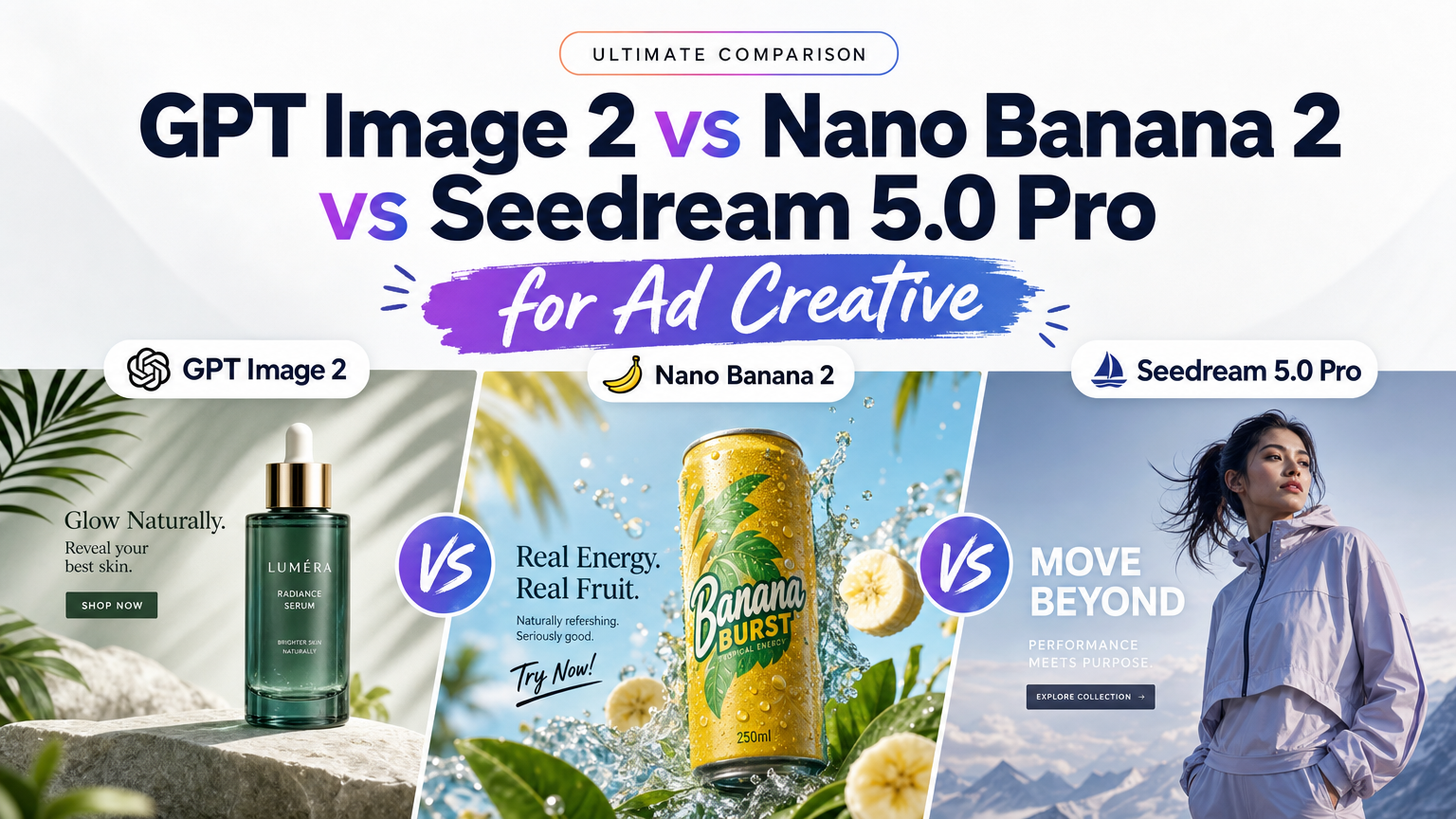
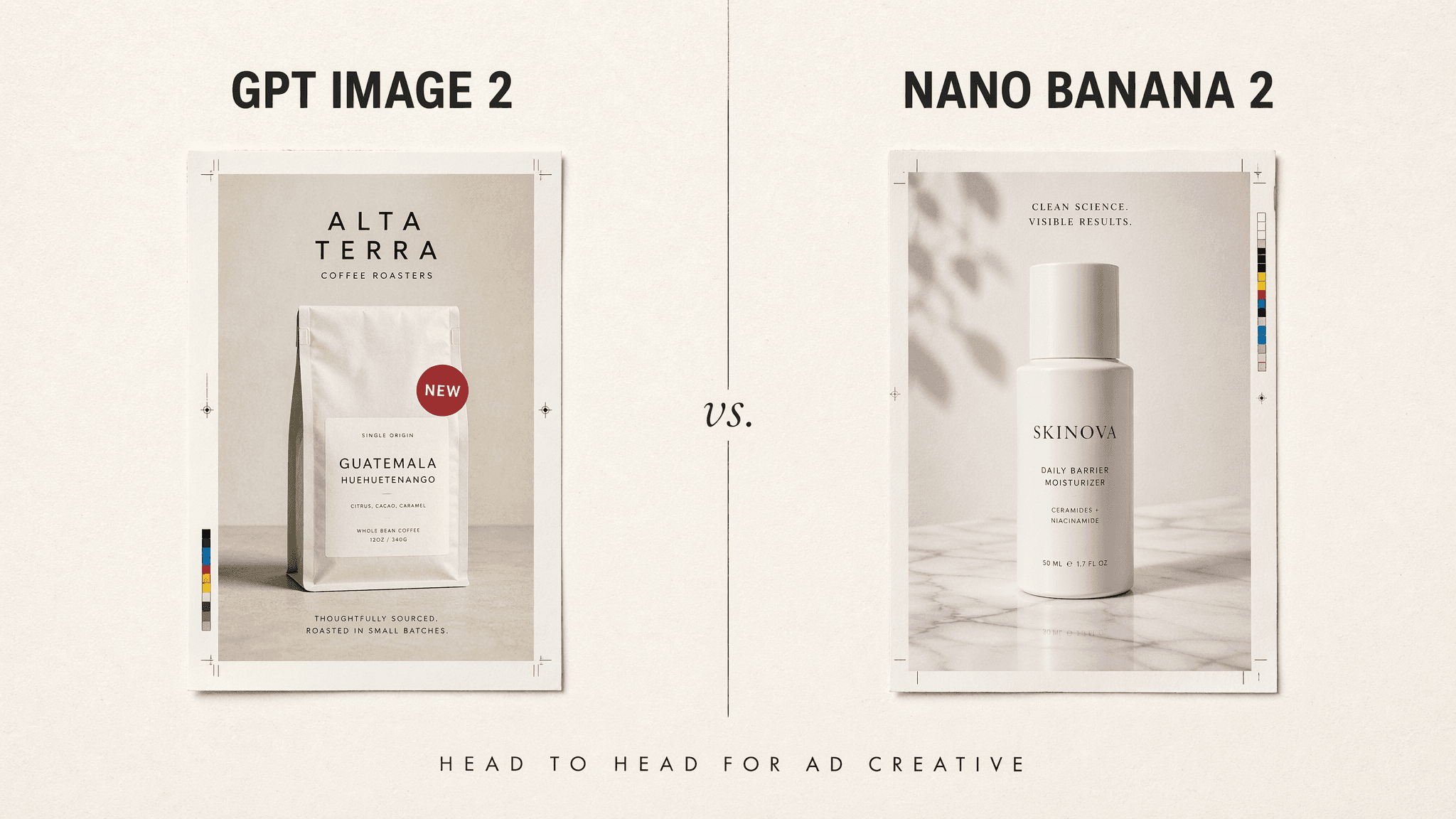
Seedream 5.0 Pro is the first image model release in months that changes the model-routing question for paid ad teams. Our earlier comparison, GPT Image 2 vs Nano Banana 2 for paid ad creative, had a clear split: GPT Image 2 owned typography and long-constraint reasoning, while Nano Banana 2 owned product fidelity, character consistency, aspect ratios, and fast iteration. Seedream 5.0 Pro adds a third lane: dense visual layouts, multilingual production assets, and precision edits that behave more like a finishing step than a brainstorm step.
This is the image half of the routing question. For the video half — which model to generate the motion clips on — see Gemini Omni Flash vs Veo 3.1 (Fast and Lite) vs Seedance vs Sora for ad creative, which scores the same trade-off on cost per clip and variant economics.
The right question is no longer "which image model is best?" It is "which model should own which part of the ad creative factory?" Meta has long framed creative as a primary performance lever, with creative quality reported as 56% of auction outcomes. If creative is the lever, the image model is the machine that makes new levers fast enough to matter.
For this update, we checked the public docs, the Fal model pages, the current SERP, and a fresh five-brief image test on July 9, 2026. Each round below uses the same prompt across GPT Image 2, Nano Banana 2, and Seedream 5.0 Pro. The images are raw outputs, with no retouching. Fal now lists Seedream 5.0 Pro as available through bytedance/seedream/v5/pro/text-to-image and bytedance/seedream/v5/pro/edit, with a starting text-to-image price of $0.0675 per image for outputs up to 1536 by 1536 total area.
Quick verdict
| Job in the ad workflow | Best first model | Why |
|---|---|---|
| Dense headline ads, product callouts, promo stickers | GPT Image 2 | Strongest route for copy-heavy layout and reasoned composition |
| Product-in-scene variants from pack shots and references | Nano Banana 2 | Best general route for reference fidelity, ratios, and iteration speed |
| Final infographics, multilingual localized posters, precision edits | Seedream 5.0 Pro | Built for dense layouts, layer-aware edits, and professional delivery |
| Fast creative exploration at scale | Nano Banana 2 or GPT Image 2 | Seedream Pro should not be the default draft engine until latency is proven |
| One hero landing-page image with structured copy and product accuracy | Run all three | This is a high-value asset; route by actual output quality, not brand loyalty |
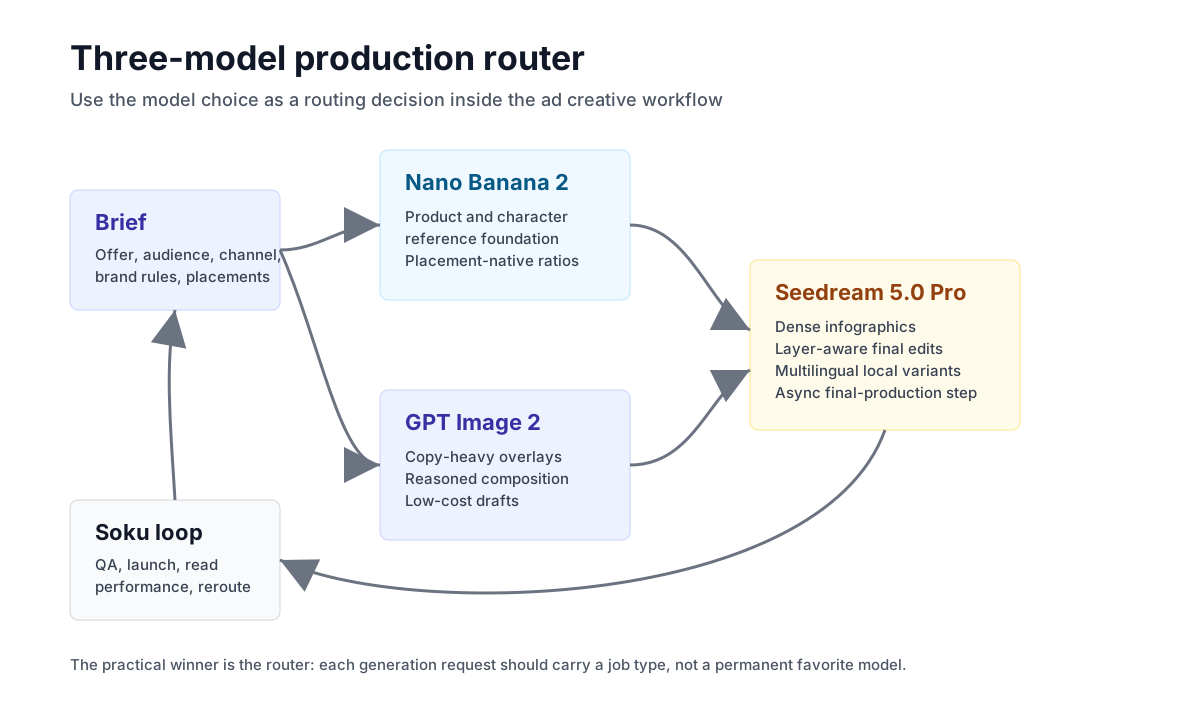
The practical winner is a router. Keep GPT Image 2, Nano Banana 2, and Seedream 5.0 Pro in the same creative system, then assign each request by job type.
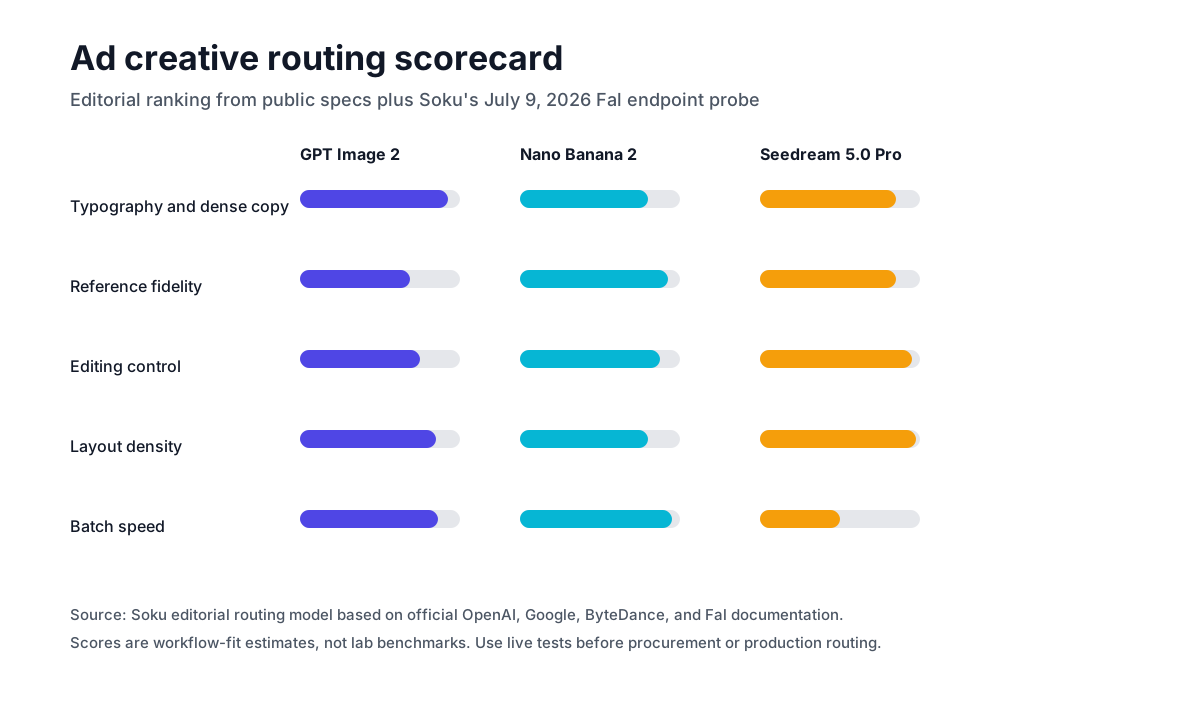
How we tested
We ran five paid-social briefs:
| Round | What it tests | Format |
|---|---|---|
| 1 | Readable headline, product label, and CTA | 1:1 square |
| 2 | Fictional product fidelity and controlled packaging details | 1:1 square |
| 3 | Dense information design with multiple benefit cards | 4:5 feed |
| 4 | Same character across a three-panel campaign board | 1:1 square |
| 5 | Mobile-safe vertical composition | 9:16 Story/Reels |
The runtime pattern mattered as much as the pixels. Nano Banana 2 usually returned in 13-17 seconds. GPT Image 2 usually took about two to three minutes through Fal. Seedream 5.0 Pro also ran through Fal queue and took about two to three and a half minutes per image in our test. That does not make Seedream unusable. It does mean you should route it like a finishing or production model unless your own account shows faster throughput.
What changed with Seedream 5.0 Pro
ByteDance positions Seedream 5.0 Pro around professional image work rather than casual image generation. Fal's launch page describes it as a model for high-density infographics, precision editing, photographic realism, and native multilingual text, and the dedicated Fal text-to-image page says the Pro route is built for "deep-thinking prompt understanding," native text in 14 languages, and dense structured designs.
That matters because ad teams do not only need pretty frames. They need assets with constraints:
- The copy must be readable.
- The product must still look like the product.
- The layout must survive legal, brand, and platform review.
- The same concept must be localized into several markets.
- The final image must be editable without rebuilding the whole scene.
Seedream 5.0 Pro is interesting because it appears to aim at the end of that list, where most image models still feel like moodboard tools. Fal's Pro page claims layer separation, annotation-aware editing, and the ability to keep the rest of a frame intact while changing one element. The edit endpoint also supports up to 10 reference images, with pricing that charges the first input image as free and each additional input image at $0.0045 before output cost.
That is not the same lane as "generate 100 draft hooks by lunch." It is closer to "turn the winning concept into a polished, localized, editable campaign asset."
The three models, side by side
| Dimension | GPT Image 2 | Nano Banana 2 | Seedream 5.0 Pro |
|---|---|---|---|
| Best role | Copy-heavy generation and reasoned composition | Product, character, and placement-native variants | Dense final assets and precision edits |
| Official route | OpenAI image generation and editing APIs | Gemini 3.1 Flash Image / Nano Banana 2 | Fal Pro text-to-image and edit endpoints |
| Current docs emphasize | Fast, high-quality generation and editing with flexible image sizes | Conversational image generation, image grounding, more ratios, 0.5K to 4K output | Dense layouts, multilingual text, layer-aware editing |
| Reference inputs | Supported in edit-style workflows | Up to 14 input images in Google docs | Up to 10 reference images on Fal edit route |
| Aspect ratio story | Flexible, but not the broadest placement menu | Very broad placement coverage, including 1:4, 4:1, 1:8, 8:1, 9:16, 16:9, and 21:9 in Google docs | Best described as exact production delivery rather than broad draft coverage |
| Latency posture | Good enough for draft loops | Strong for high-volume iteration | Use as async final-production route until tested at scale |
| Pricing posture | Depends heavily on quality and size | Depends on output tier and tokens | Fal lists $0.0675 and $0.135 output tiers for Pro text-to-image |
Sources: OpenAI's GPT Image 2 model page, Google's Gemini 3.1 Flash Image docs, Fal's Seedream 5.0 Pro page, Fal's Pro text-to-image endpoint, and Fal's Pro edit endpoint.
Round 1: in-image text and typography
Winner: GPT Image 2 for most paid social copy, Seedream 5.0 Pro worth testing for multilingual dense layouts.
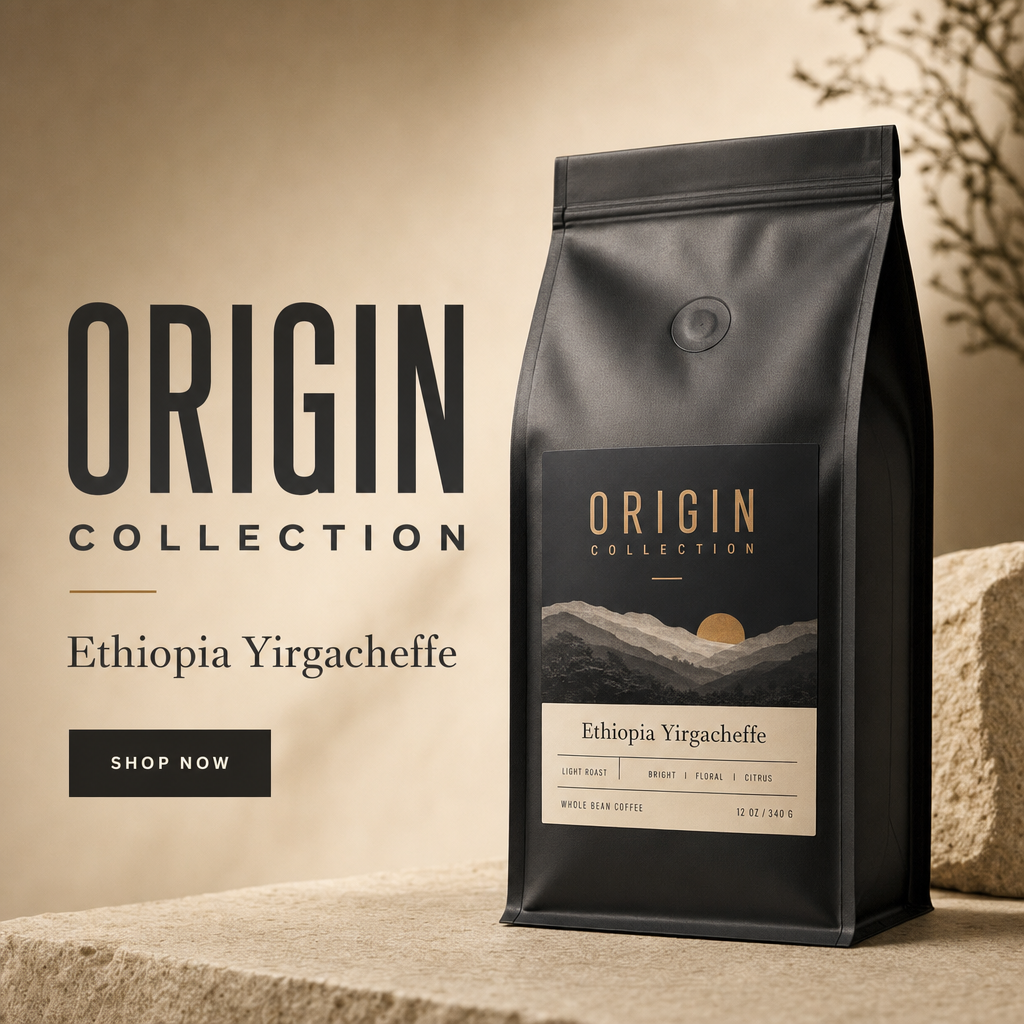
GPT Image 2: strongest overall text hierarchy. The brand name, product line, origin, and CTA all survive well enough for a first-pass static ad.
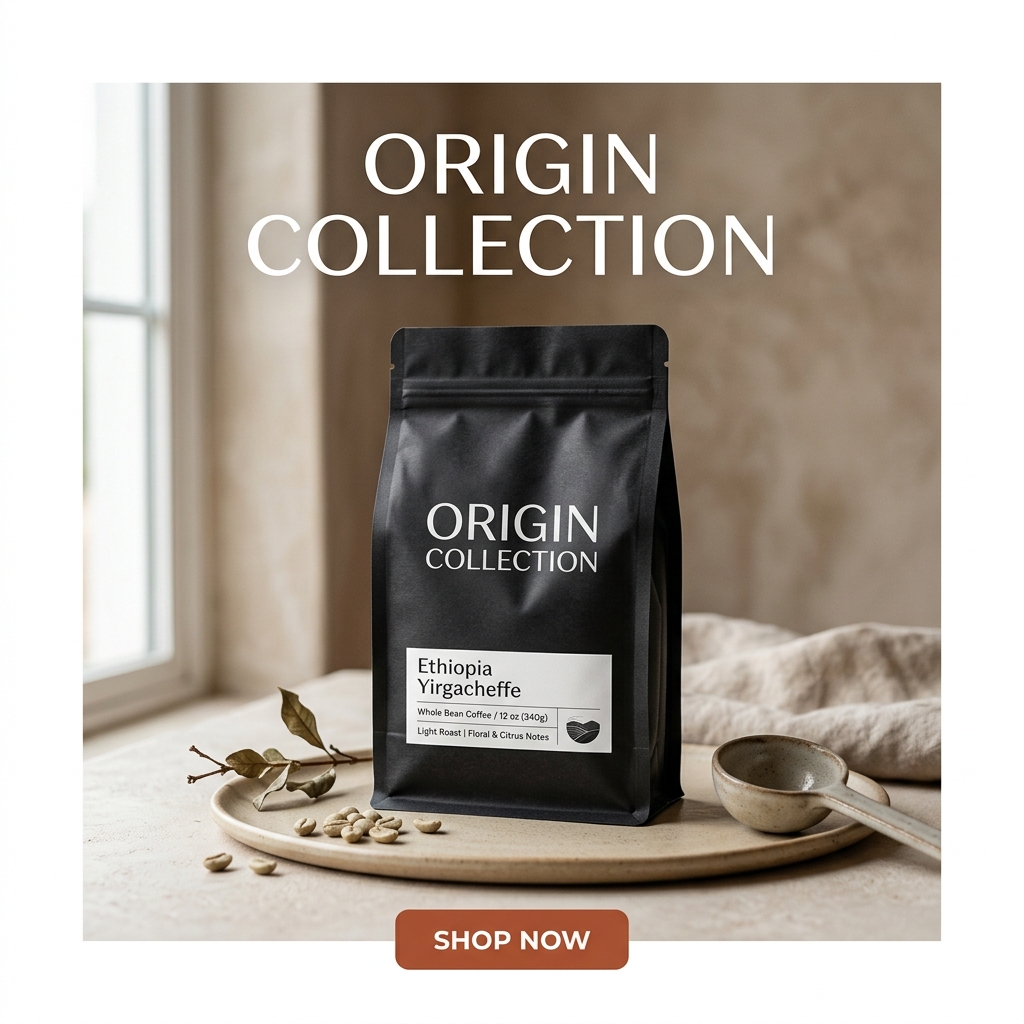
Nano Banana 2: clean headline and CTA, but the smaller package text is less reliable and the layout is more generic ecommerce than finished campaign creative.
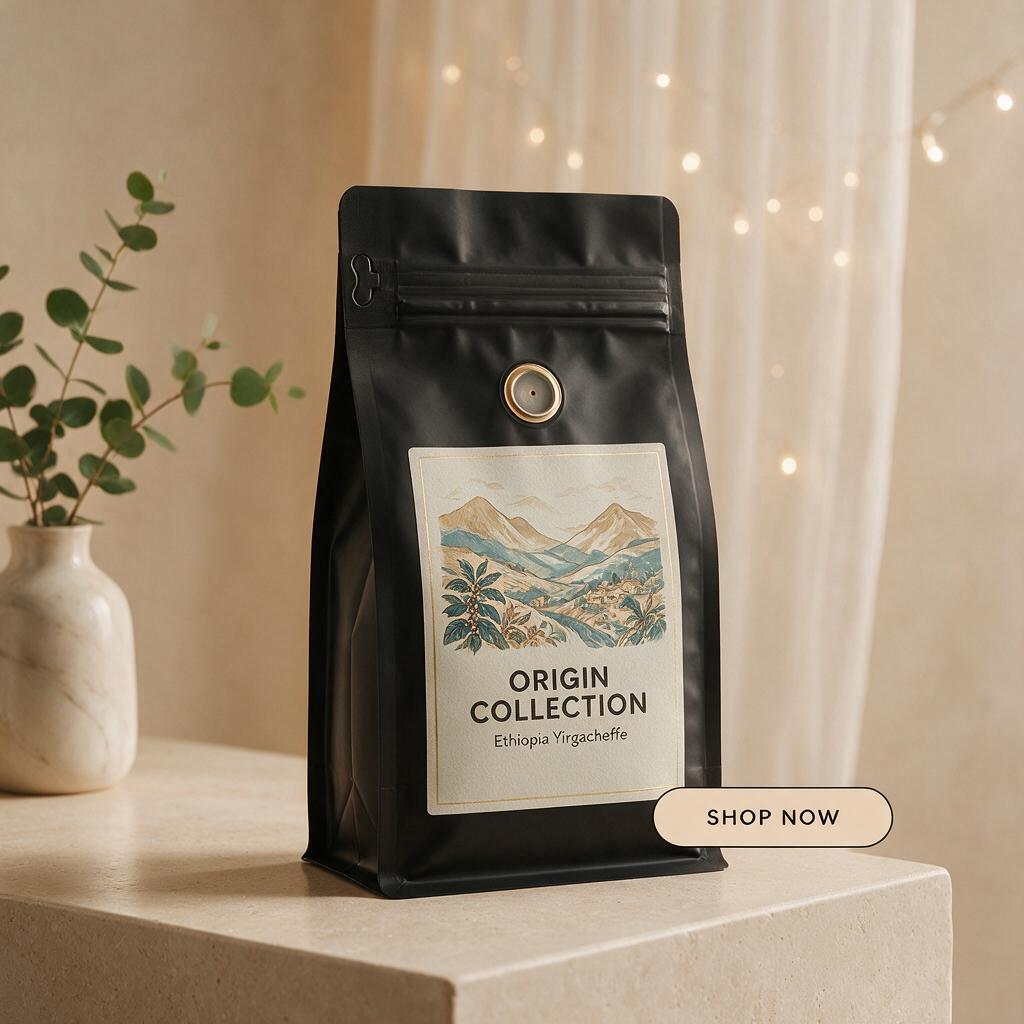
Seedream 5.0 Pro: polished product scene and strong CTA placement, but it simplified the requested copy and did not preserve all text hierarchy.
GPT Image 2 remains the first model I would route to when the brief includes burned-in text: sale stickers, bundle names, feature claims, CTA buttons, price callouts, or educational overlays. OpenAI's ChatGPT Images 2.0 launch post heavily emphasizes improved text rendering and shows examples that look more like designed editorial assets than one-line prompt outputs.
Nano Banana 2 is no longer weak on text. Google's current docs call out improved international text rendering, image search grounding, and better aspect-ratio adherence. It is good enough for many headlines and product labels, especially when you need fast variants.
Seedream 5.0 Pro changes the evaluation because its pitch is not just "text looks legible." It is "text inside a dense professional layout." In this first typography prompt, GPT Image 2 still wins because it preserves more of the requested text stack. Seedream looked more polished than sloppy, but it chose a simpler execution than the brief asked for. That makes it a model to test on denser layout work rather than an automatic replacement for GPT Image 2's copy lane.
Seedream is still a strong candidate for assets like:
- Multi-benefit comparison cards.
- Localized product launch posters.
- App feature diagrams.
- Explainer graphics for complex offers.
- Education-style paid social assets.
The safe routing rule is simple: use GPT Image 2 for fast copy-led ad generation, and test Seedream 5.0 Pro when the copy is part of a larger information design problem.
Round 2: product and brand fidelity
Winner: Nano Banana 2 for recurring product scenes, Seedream 5.0 Pro for final subject-preserving edits.
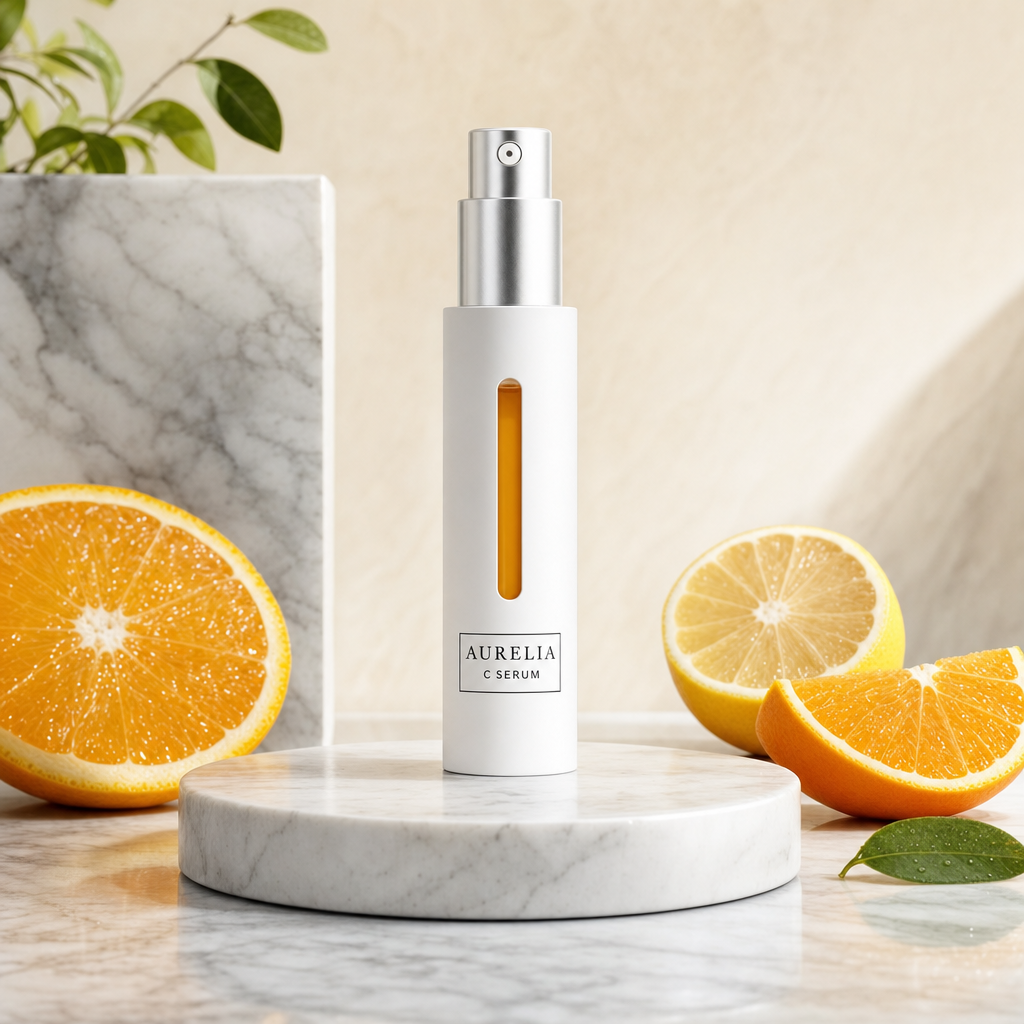
GPT Image 2: best at preserving the specified bottle silhouette and amber vertical window, but the label is small and not fully production-ready.
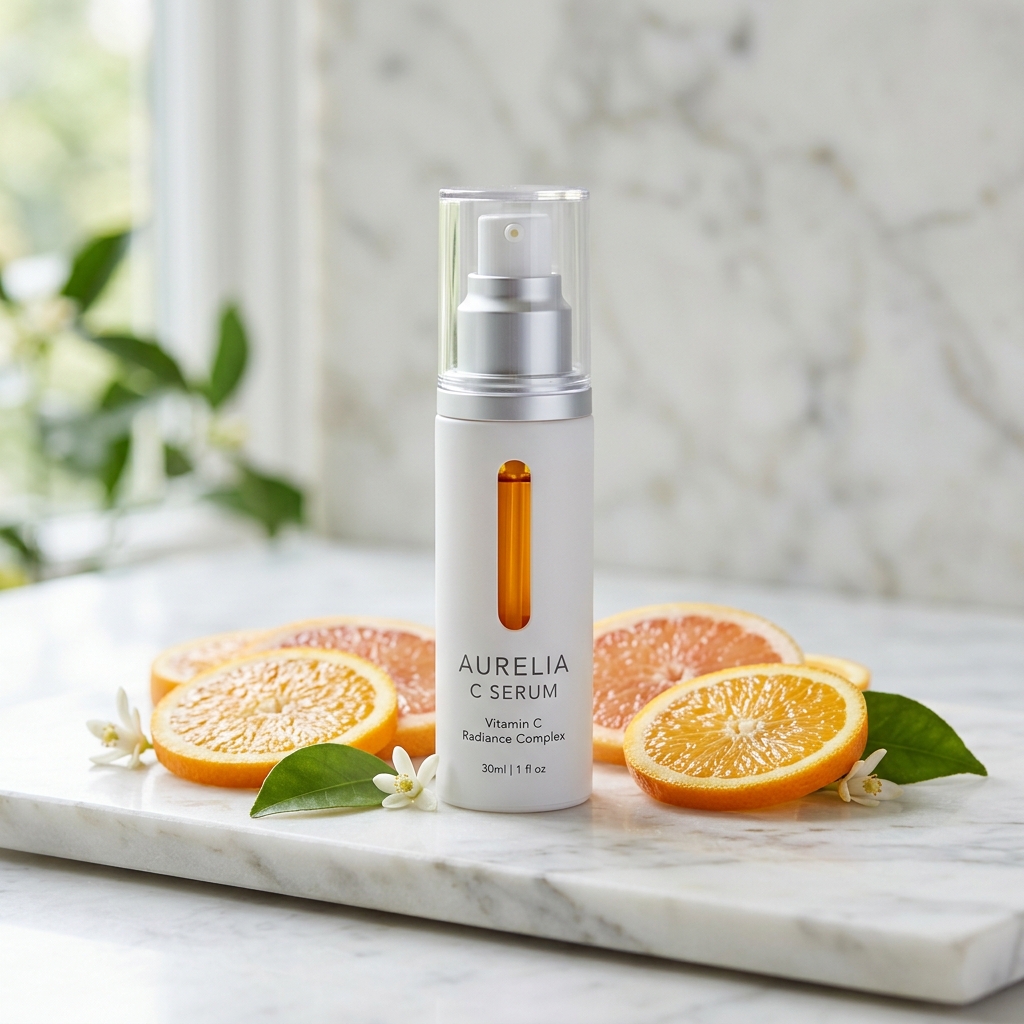
Nano Banana 2: realistic ecommerce scene and strong product plausibility, with the cleanest natural packaging feel.

Seedream 5.0 Pro: strong polished layout, but it invented extra ad copy and price-like text that the prompt explicitly did not request.
The daily performance-marketing problem is rarely "make a beautiful abstract image." It is "make this exact bottle, bag, app screen, shoe, or founder persona look credible in five new creative concepts."
Nano Banana 2 is still the default first route for that work. Google's model docs list a maximum of 14 input images per prompt and broad placement ratios, which maps well to the way creative teams actually work: pack shot, logo-safe reference, lifestyle frame, color direction, and a few examples of what not to lose.
Seedream 5.0 Pro is more interesting after the first good scene exists. In our product-fidelity prompt, it produced the most "designed" ad, but it also over-designed the asset by adding extra copy. That is not a small issue for regulated or brand-controlled ads. Fal's edit page describes Seedream Pro as a grounded, region-precise editing model that can change one element while keeping the rest of the frame intact. That may be the better Seedream use case: preserve a good asset, then make a controlled finishing edit.
That is exactly the problem that appears after a creative director likes 90% of an image:
- Change the can color without changing the hand.
- Replace the background prop without moving the product.
- Localize the label while preserving the scene.
- Add a second SKU without rebuilding the lighting.
- Turn a square concept into a final ecommerce hero with cleaner composition.
GPT Image 2 remains useful here, especially for masked edits and copy overlays, but for reference-first product consistency, Nano Banana 2 and Seedream 5.0 Pro deserve more of the routing.
Round 3: dense layouts and infographics
Winner: Seedream 5.0 Pro.
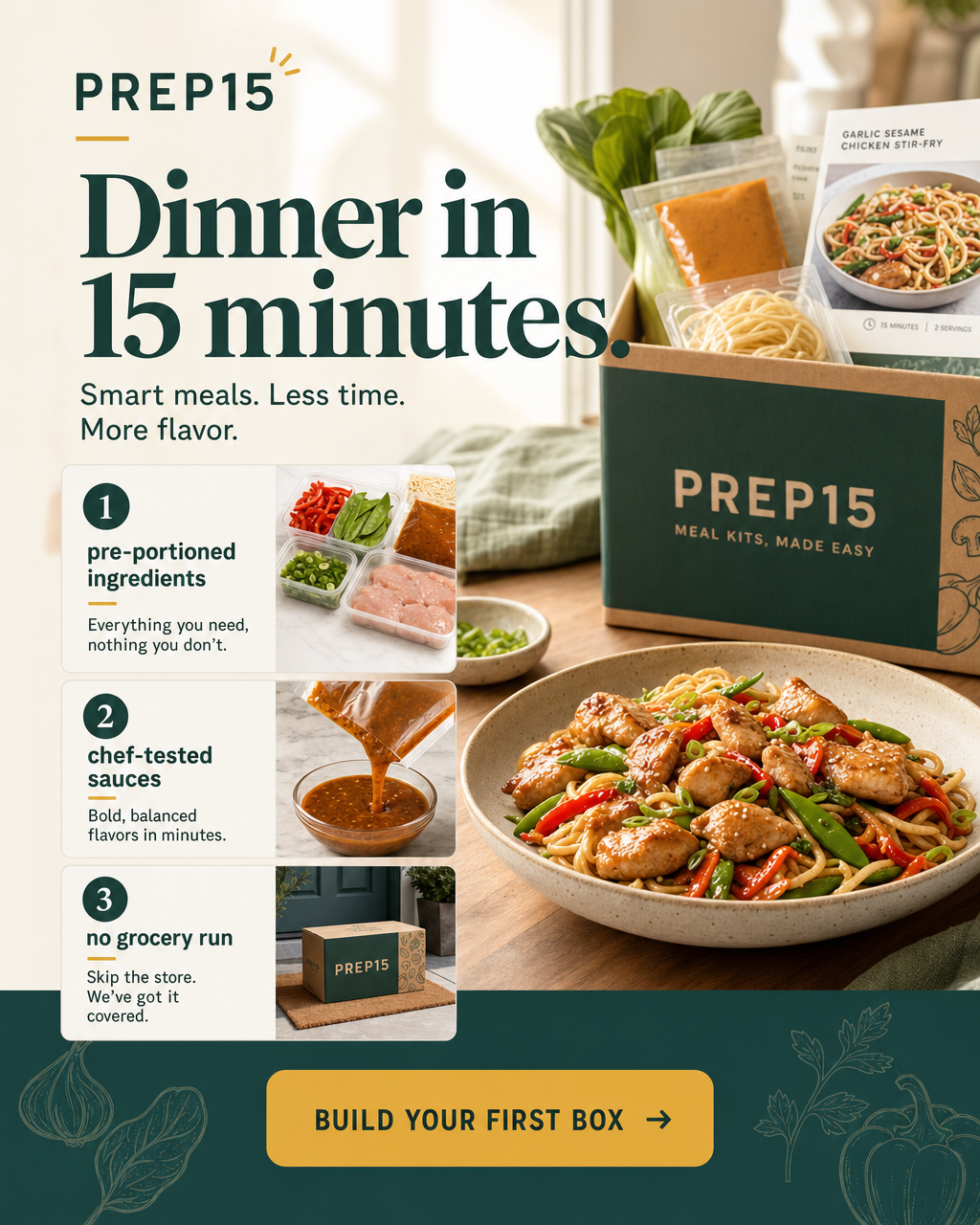
GPT Image 2: strong overall ad design and brand system, but the body copy becomes tiny and the hierarchy is busy.
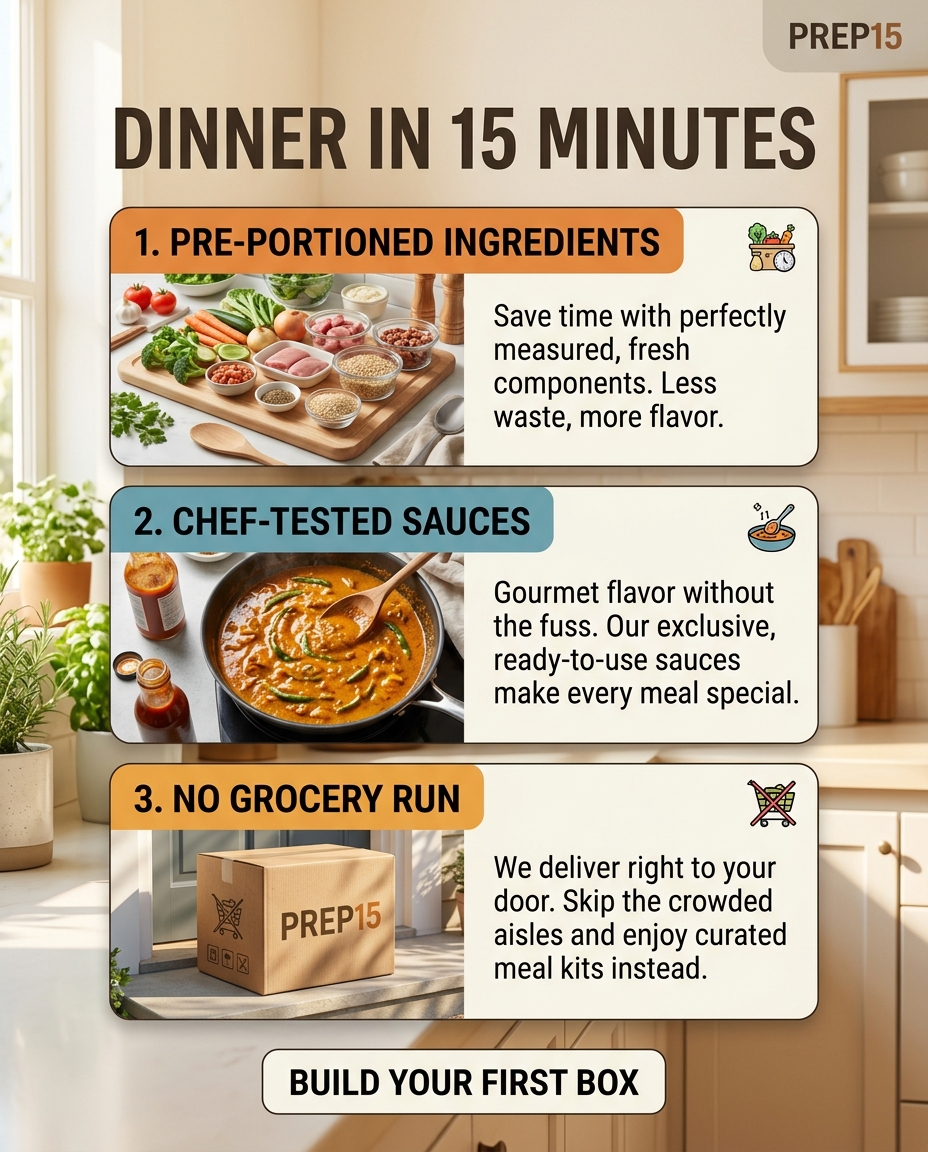
Nano Banana 2: clear three-card structure and strong food realism, but it hallucinated extra body copy and small icon details.
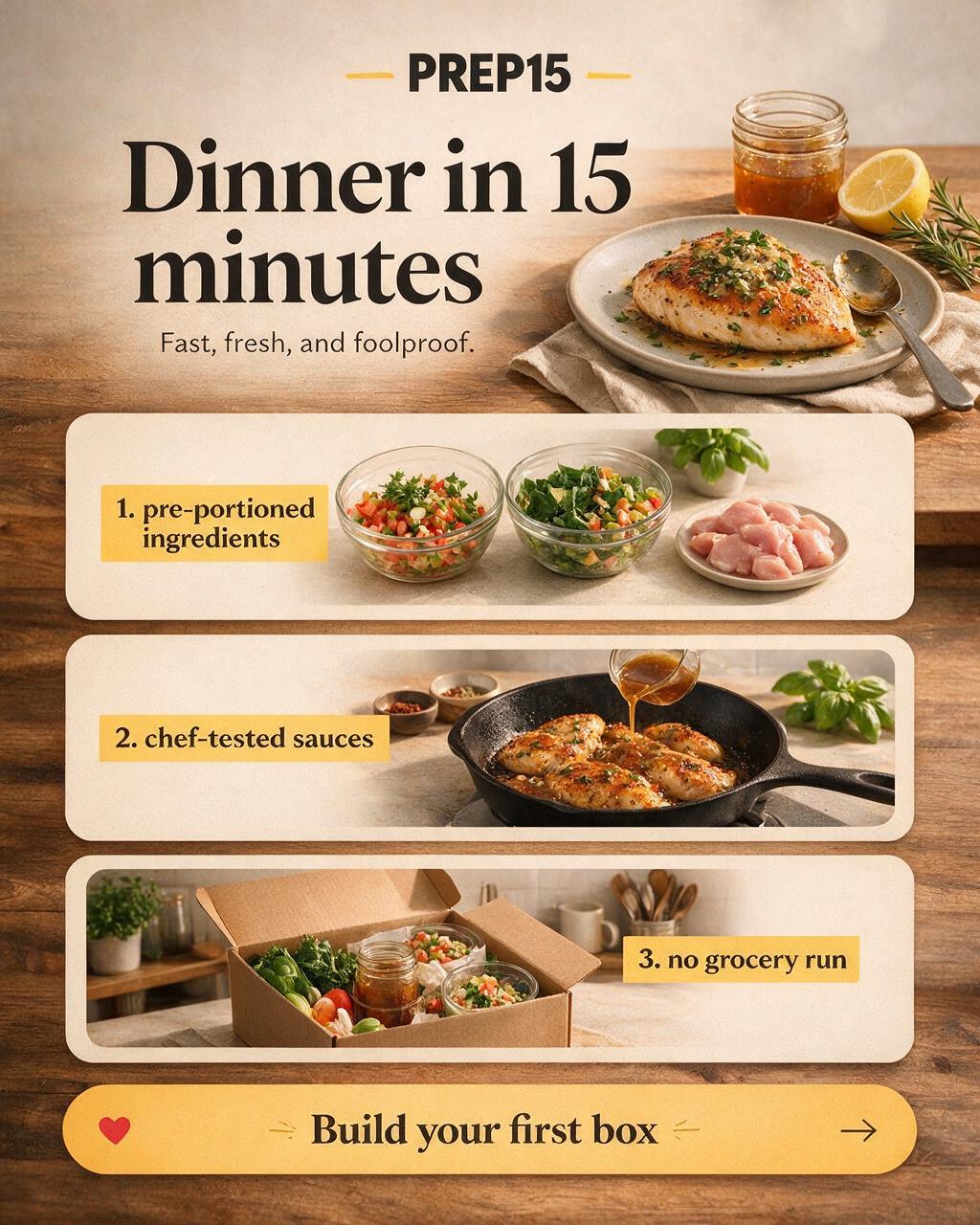
Seedream 5.0 Pro: best balance of editorial layout, food imagery, and stacked benefit cards, though small labels still need human QA.
This is the main reason to write a new comparison instead of just updating the old GPT Image 2 vs Nano Banana 2 post.
Most ad teams are moving beyond single hero images. Paid social now includes comparison grids, "how it works" cards, mini landing-page visuals, product education panels, and UGC-style explanation frames. Those assets fail when the model cannot organize information. A beautiful image with broken hierarchy still loses.
Seedream 5.0 Pro is explicitly positioned for high-density infographics and structured designs. Fal's examples and copy point to technical blueprints, architecture visualizations, and text-rich layouts. ByteDance's official page similarly frames Pro around professional visual communication rather than only photorealistic generation. This is the round where the positioning matched the output. Seedream's card structure was easier to scan than GPT Image 2's denser flyer and less cluttered than Nano Banana 2's generated body-copy blocks.
That gives Seedream a real lane: use it when the brief is closer to a designer's layout file than a photographer's shot list. A good Seedream prompt should include information architecture, not just style:
Create a 4:5 paid social infographic for a fictional meal-kit brand.
Top headline: "Dinner in 15 minutes".
Three stacked benefit cards: 1. pre-portioned ingredients, 2. chef-tested sauces, 3. no grocery run.
Bottom CTA: "Build your first box".
Use a clean editorial grocery-magazine layout, realistic food photography, warm kitchen light, and enough negative space around each text block.
That is the sort of prompt where GPT Image 2 can also do well, but Seedream 5.0 Pro is now credible enough that it should be in the test set.
Round 4: editing and iteration
Winner: Nano Banana 2 for iterative exploration, Seedream 5.0 Pro for precision finishing.
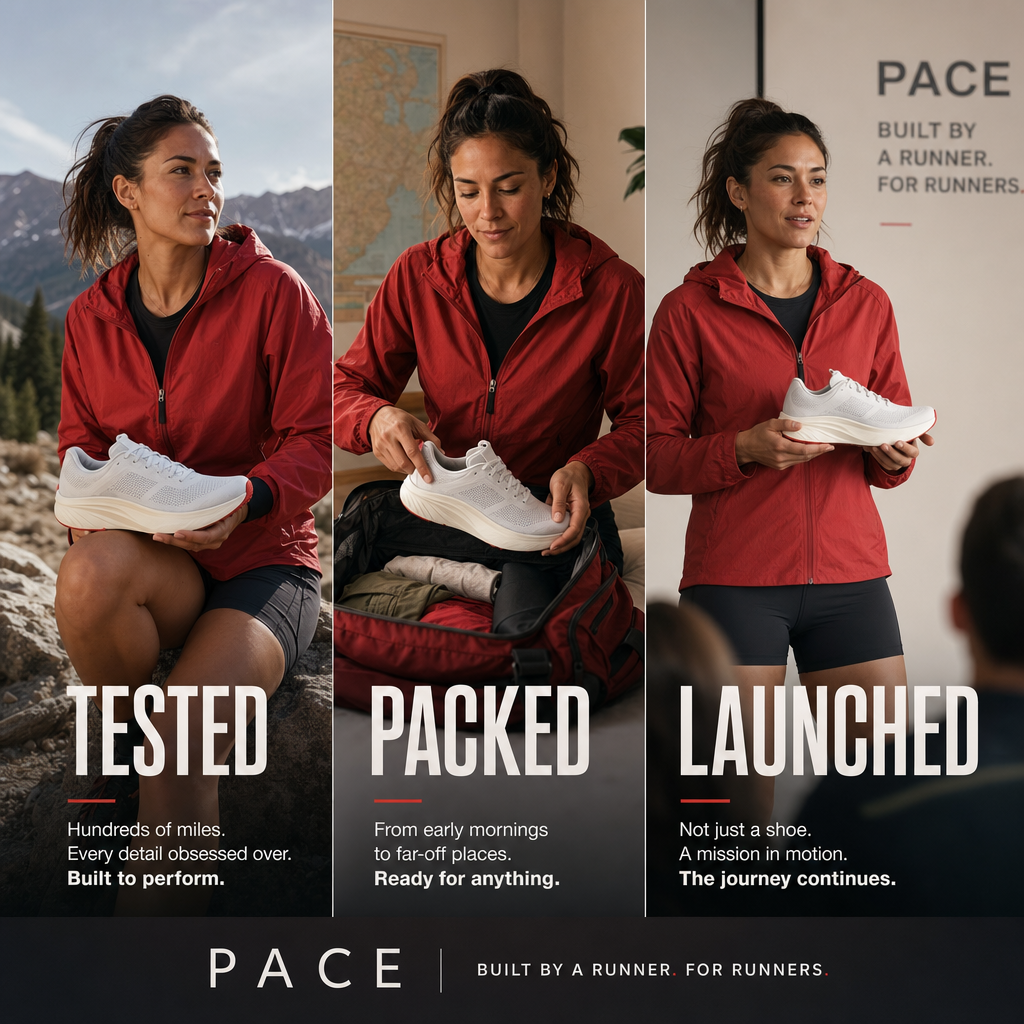
GPT Image 2: strongest poster-like finish, but the same-character constraint is only partially met across panels.
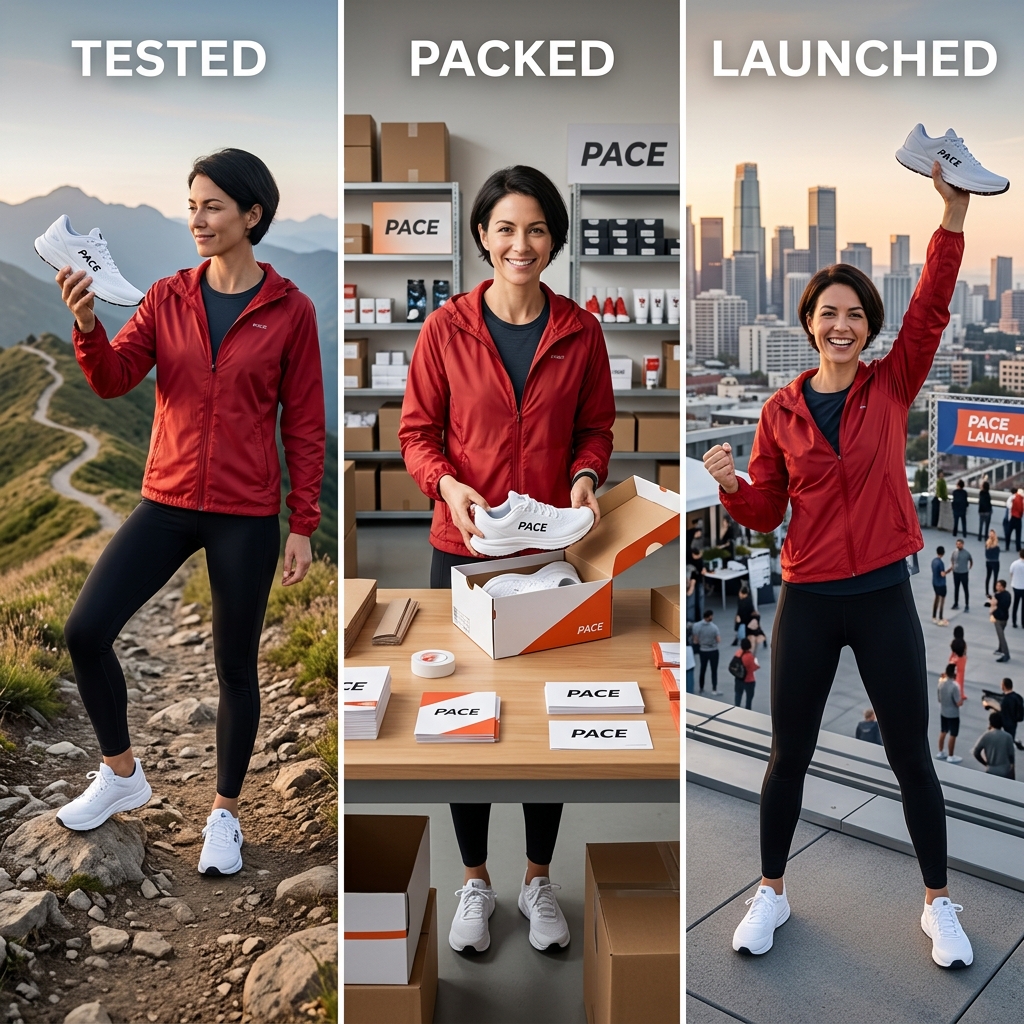
Nano Banana 2: strongest action variety and campaign-board feel, with good outfit and product continuity.
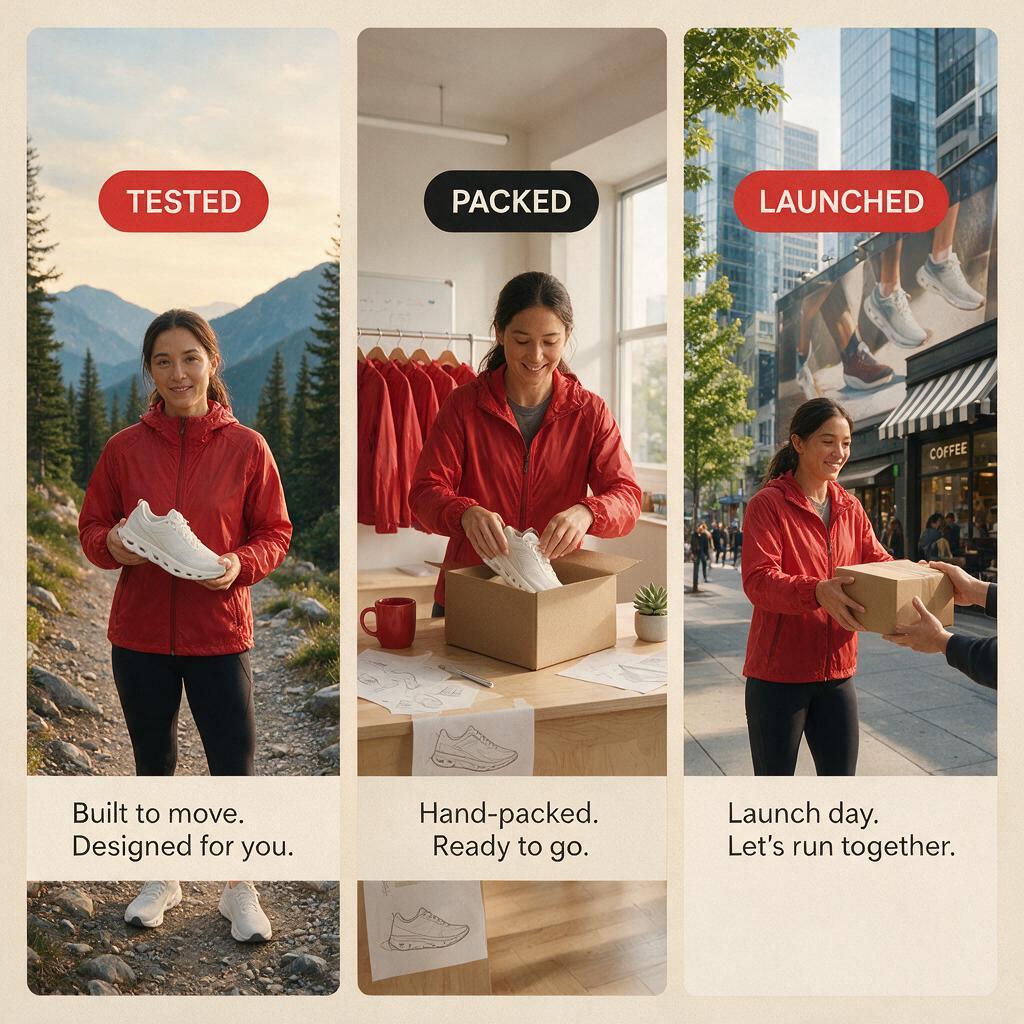
Seedream 5.0 Pro: cleanest three-panel layout and readable labels, but the character identity still shifts enough to require review.
Editing has two different meanings.
For performance teams, editing often means rapid iteration: make this brighter, move the product left, change the background, create a 9:16 version, make five more hooks. Nano Banana 2 is strong here because it is built for conversational generation and broad output coverage. It is the model I would use when a strategist and designer are exploring many directions in the same sitting.
For production teams, editing means preserving a mostly approved asset while changing one thing. That is a different skill. Fal's Seedream 5.0 Pro edit endpoint is explicitly about region-precise changes, sketch completion, and reference-driven replacement. If it performs as described in repeated tests, it belongs near the end of the workflow, where regeneration risk is expensive.
GPT Image 2 sits between the two. It is excellent when the edit is part of a copy or reasoning problem: adjust the layout, add a clearer CTA, turn a rough composition into a structured ad. But when the instruction is "do not touch anything except this product material," Seedream Pro is the new route to test. The storyboard outputs also show why reference images matter: without an actual character reference, all three models drift more than a production team should accept.
Photo: Cherrydeck on Unsplash.
Round 5: cost, speed, and production reality
Winner: no universal winner.
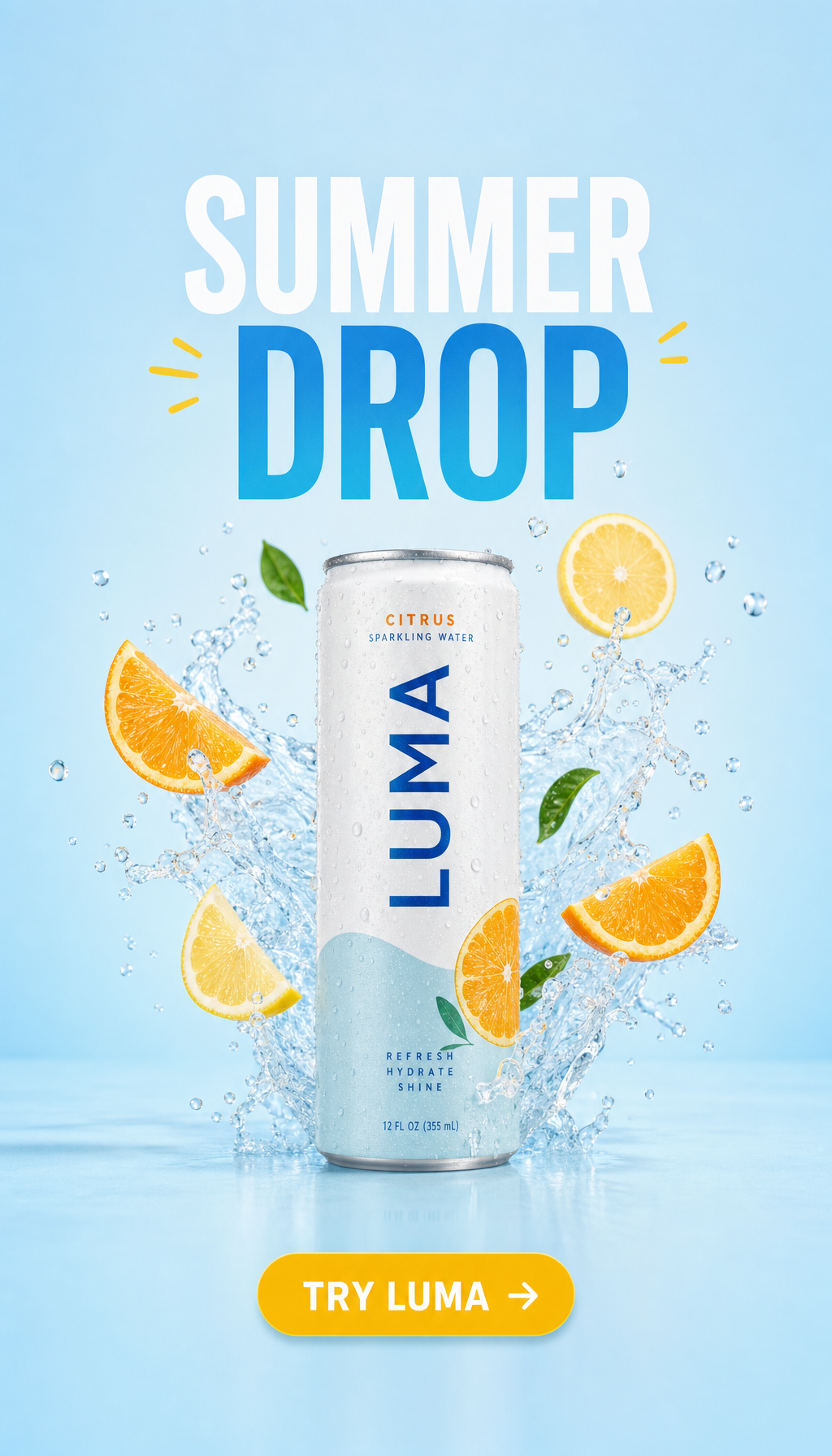
GPT Image 2: strongest mobile safe-zone discipline, with centered product, large headline, and clear bottom CTA.
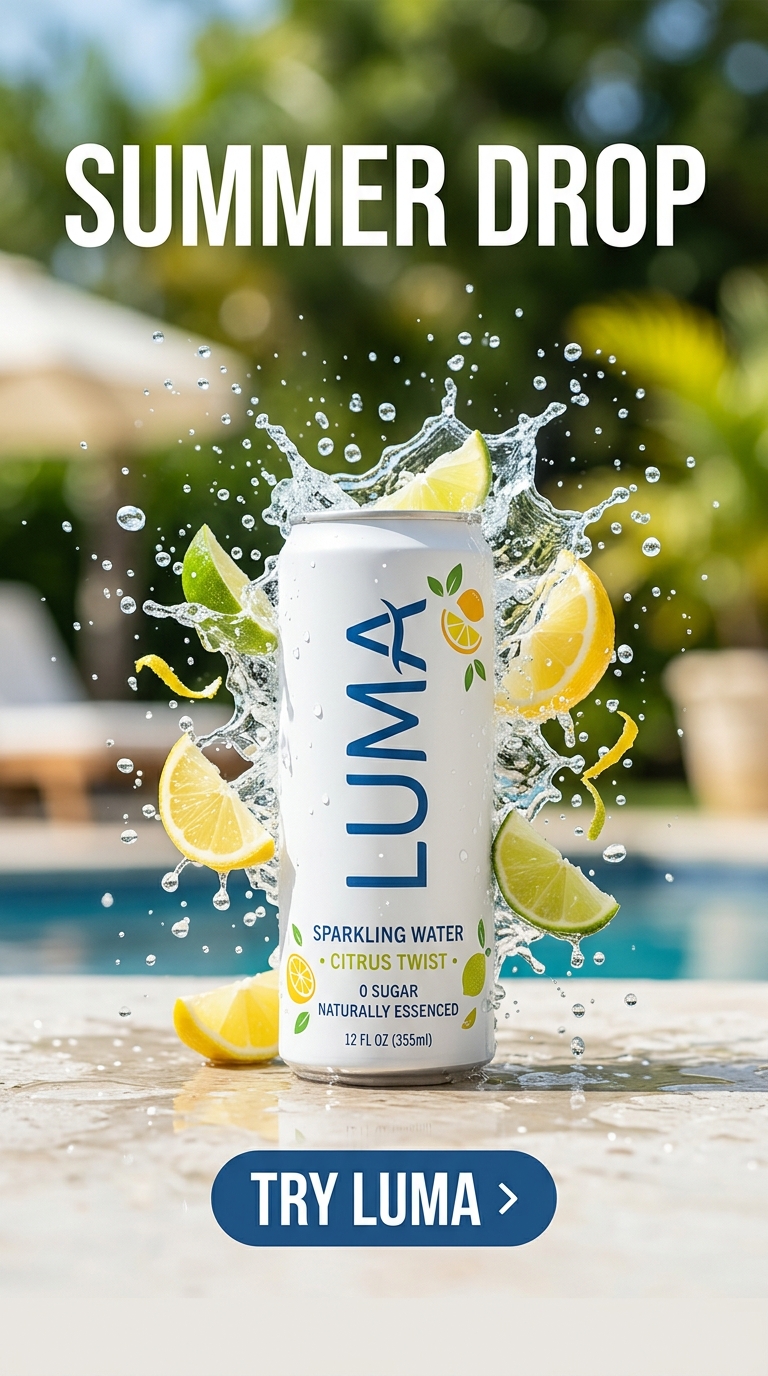
Nano Banana 2: most photographic and energetic, though the product sits closer to the busy center of the frame.
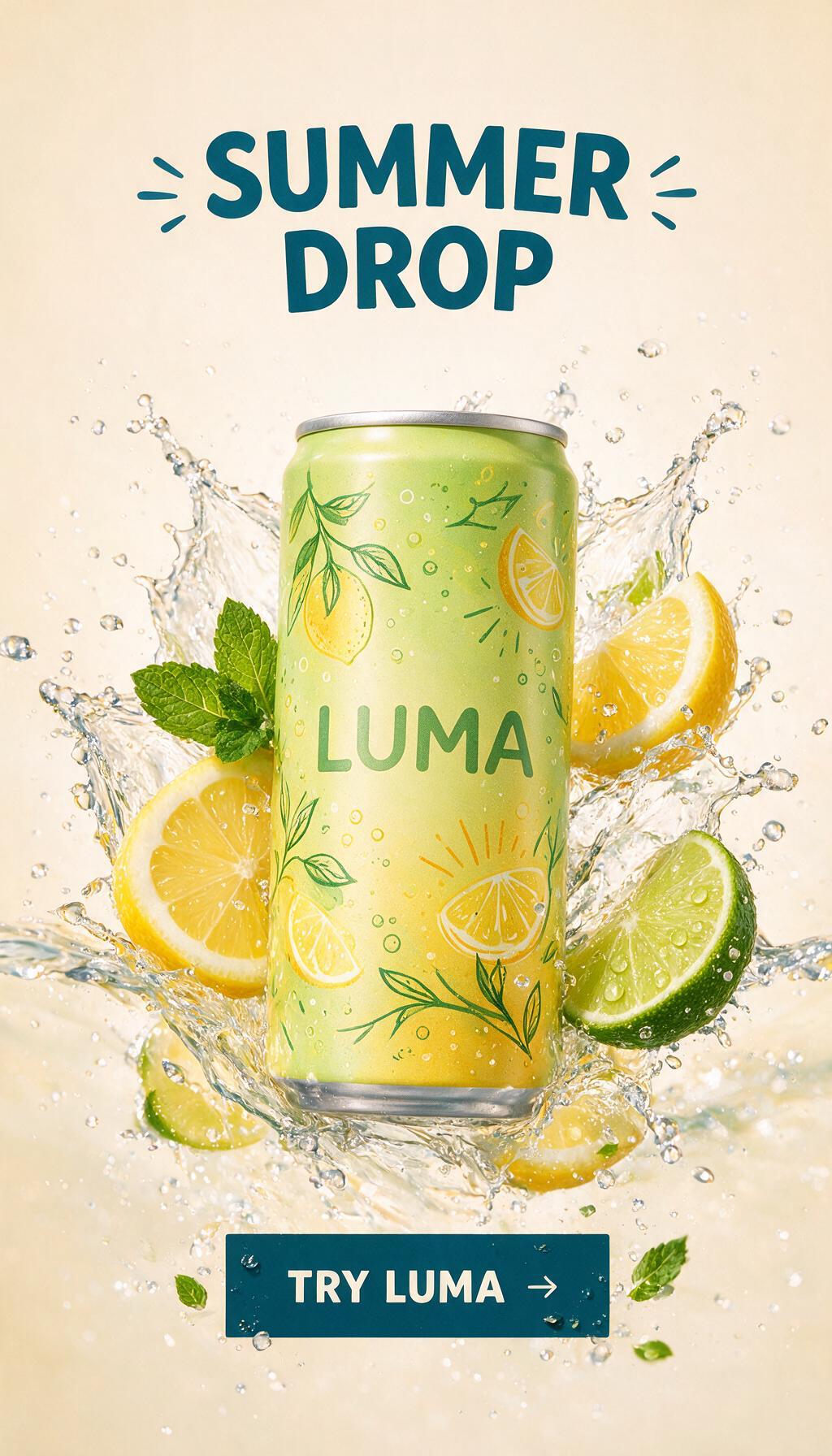
Seedream 5.0 Pro: polished poster aesthetic, good product centering, and readable CTA, with a more illustrated finish.
Procurement teams want one number. Creative teams need a cost shape.
Fal lists Seedream 5.0 Pro text-to-image at $0.0675 per image for outputs up to 1536 by 1536 total area, and $0.135 for images between 1536 by 1536 and 2048 by 2048 total area. The edit route adds input-image charges after the first reference. That is reasonable for a final asset, but not obviously the cheapest route for massive draft exploration.
Our live test also supports that positioning. On July 9, 2026, Seedream Pro accepted all five paid social prompts through Fal and returned usable images. But it behaved like an async queue model, not a quick scratchpad. In our five rounds, Seedream Pro took roughly 112, 130, 136, 139, and 206 seconds. GPT Image 2 via Fal was also not instant in this run, usually landing around two to three minutes. Nano Banana 2 was much faster in this specific test, usually 13-17 seconds through the Gemini API.
That does not mean Seedream is slow in every environment, and it is not a visual-quality judgment. It means marketers should not describe Seedream 5.0 Pro as the default high-volume scratchpad until they have tested latency and queue behavior under their own account.
The routing implication is:
| Workflow | Cost posture |
|---|---|
| 50 rough concepts for a weekly creative meeting | Start with Nano Banana 2 or GPT Image 2 |
| 10 copy-led paid social directions | Start with GPT Image 2 |
| 10 product-scene directions from reference images | Start with Nano Banana 2 |
| 3 polished localized infographics | Test Seedream 5.0 Pro |
| 1 approved hero image that needs a surgical change | Test Seedream 5.0 Pro edit |
Do not put Pro pricing into a spreadsheet without checking live provider pages. Image model pricing moves quickly, and provider wrappers can have different billing rules.
The workflow Soku would actually run
The mistake is to let a designer pick a favorite model and then use it for everything. The better system is to route the creative request based on the reason the next asset exists.
Stage 1: performance diagnosis.
Soku reads cross-channel performance and identifies the creative gap. The gap might be "Meta CTR is down on founder-led hooks," "Google demand is rising for a comparison keyword," or "TikTok fatigue is hitting the first three seconds."
Stage 2: model routing.
The brief gets a job type before it gets a prompt:
| Brief type | Route |
|---|---|
| New concept with headline and offer hierarchy | GPT Image 2 |
| Product or character scene from references | Nano Banana 2 |
| Dense educational ad or localized information card | Seedream 5.0 Pro |
| Low-cost draft batch | GPT Image 2 or Nano Banana 2 |
| Approved asset needing one precise edit | Seedream 5.0 Pro edit |
Stage 3: QA before launch.
Every model output still needs a human or agent QA pass. Check text, product fidelity, policy claims, logo handling, platform fit, and whether the creative maps to the original performance hypothesis.
Stage 4: launch and feedback.
After launch, do not evaluate the model in isolation. Track which model produced which asset, which prompt generated it, which reference images were used, which placement it ran in, and which metric moved. A model that wins on beauty but loses on CPA is not winning the campaign.
Where the current SERP is thin
Most current Seedream 5.0 comparisons cover generic image quality, creator experience, or API routing. That is useful, but it is not enough for an ad team.
The missing layer is production ownership:
- Which model should create the product foundation?
- Which model should draw the copy?
- Which model should make the final exact edit?
- Which model should be used for weekly high-volume drafting?
- Which outputs need extra human QA before spend is attached?
That is why this comparison should be a workflow article, not a leaderboard. A leaderboard says "Seedream wins infographics." A workflow says "Seedream gets the final information-card route after the offer and copy have been validated."
Bottom line
GPT Image 2 is still the first model to test for copy-heavy paid social, typography, and long-constraint reasoning. Nano Banana 2 is still the workhorse for reference-driven product scenes, character consistency, placement-native ratios, and fast iteration. Seedream 5.0 Pro is the new contender for dense structured layouts, multilingual campaign assets, and precision edits where the rest of the frame must survive.
The best ad teams will not standardize on one of them. They will standardize on the router. Each creative request should carry a job type, performance hypothesis, prompt, references, model ID, output, QA result, and post-launch performance. Once that loop exists, new model launches become easier to absorb because the workflow already knows where a new model can compete.
FAQ
Is Seedream 5.0 Pro available on Fal?
Yes. Fal lists bytedance/seedream/v5/pro/text-to-image and bytedance/seedream/v5/pro/edit as available Pro endpoints, and our July 9, 2026 five-round test confirmed the Pro text-to-image route returned real image outputs.
Should Seedream 5.0 Pro replace GPT Image 2?
No. Test it for dense layouts, multilingual visual assets, and precision final edits. GPT Image 2 remains a strong first route for copy-heavy ad generation and reasoning-led composition.
Should Seedream 5.0 Pro replace Nano Banana 2?
No. Nano Banana 2 remains the safer default for fast reference-driven exploration, product scenes, characters, and placement-native aspect ratios. Seedream Pro is more interesting near final production.
What is the best model for AI ad creative in 2026?
There is no single best model. Use GPT Image 2 for text and composition, Nano Banana 2 for reference-based variant generation, and Seedream 5.0 Pro for dense final assets and precise edits.
How should a marketing team evaluate these models?
Run the same brief through all three models, score outputs on text accuracy, product fidelity, layout hierarchy, editability, latency, cost, and post-launch performance. The last metric matters most.