 Soku AI
Google AI Overviews now reaches 2 billion monthly users. ChatGPT serves 800 million users every week — and now shows ads inside those conversations. Perplexity grew 370% year-over-year. And Gartner predicts a 25% decline in traditional search volume by the end of 2026.
The way people find information is changing — fast. Instead of scanning ten blue links and clicking through to websites, users are asking AI engines direct questions and getting synthesized answers on the spot. For brands, this creates a fundamentally new challenge: if an AI engine answers the question for the user, how do you make sure your brand is part of that answer?
The answer is Generative Engine Optimization, or GEO. And if you are still treating AI search as a future problem, the data says otherwise — AI platforms generated 1.13 billion referral visits in June 2025 alone, a 357% increase from the year prior.
This guide breaks down what GEO is, how it compares to traditional SEO, and gives you a concrete playbook to start earning AI citations today. For the complete overview — how AI engines pick sources, how to format answers so they get quoted, and how to detect when AI cites competitors instead of you — see our pillar guide to Generative Engine Optimization.
What Is GEO (Generative Engine Optimization)?
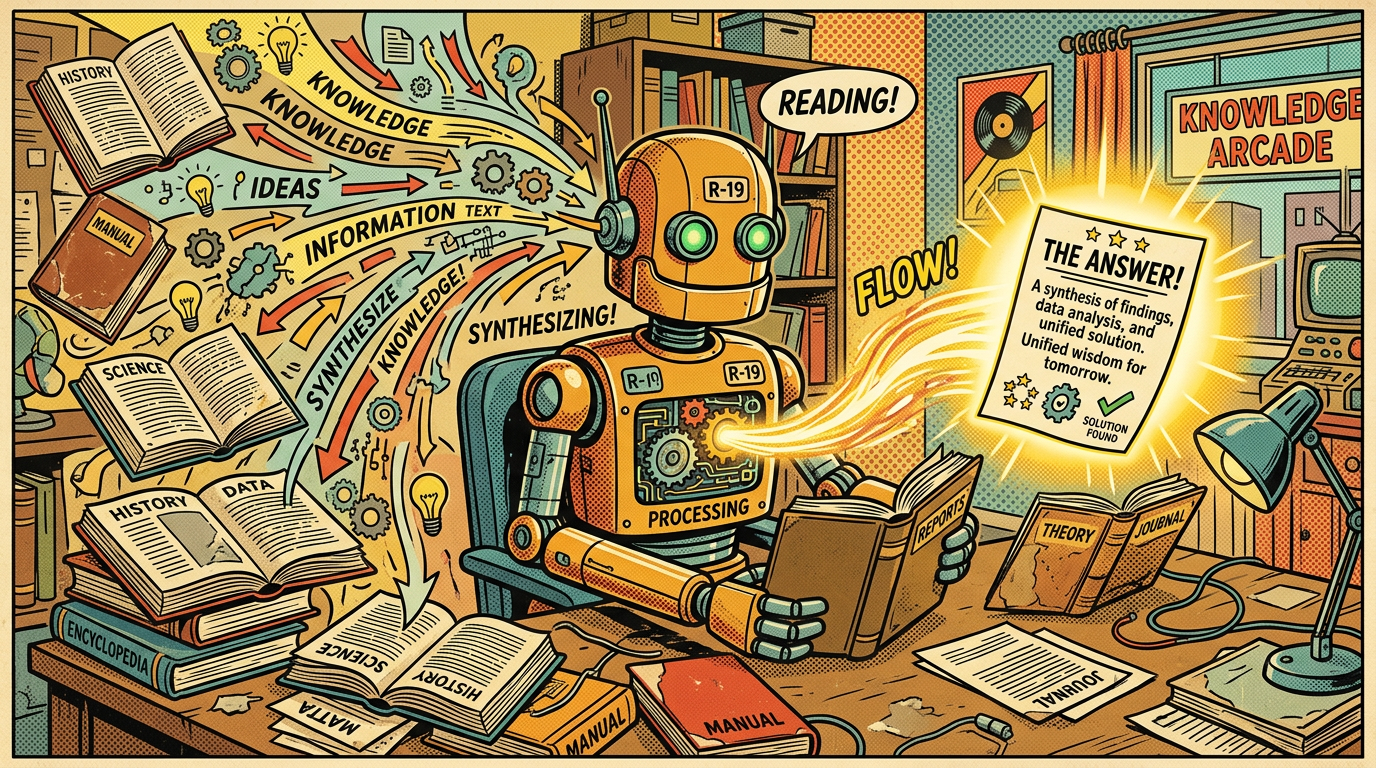
Generative Engine Optimization is the practice of optimizing your content and brand presence so that AI-powered platforms — ChatGPT, Google AI Overviews, Perplexity, Claude, Microsoft Copilot — cite, reference, or recommend you when generating answers to user queries.
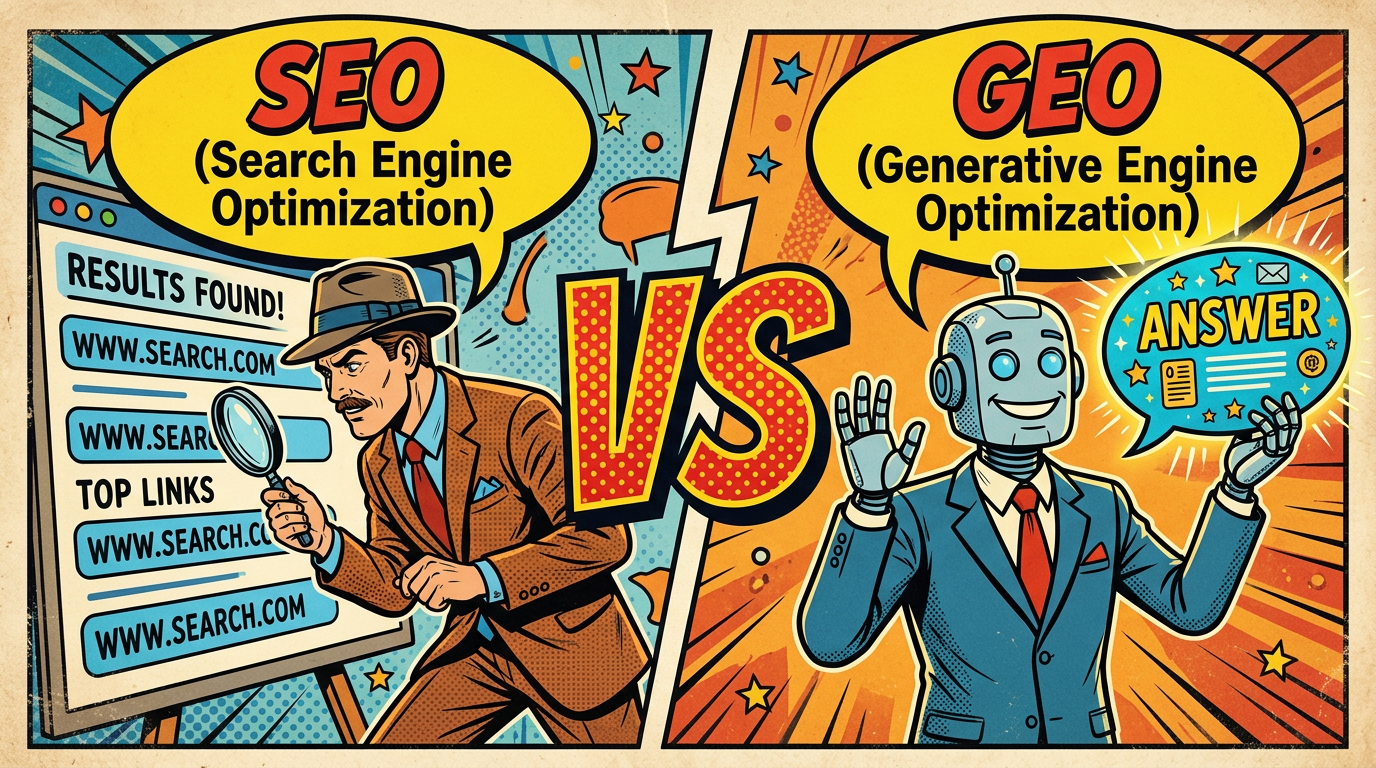
Traditional SEO optimizes for rankings in a list of links. GEO optimizes for inclusion inside the answer itself.
The distinction matters because of how AI search engines work under the hood. Most use a technique called Retrieval-Augmented Generation (RAG): the AI retrieves relevant documents from the web in real time, then synthesizes them into a single coherent response. Your content needs to be the kind of source that RAG systems retrieve — and that the language model chooses to cite.
Here is the critical constraint: while a traditional search results page shows 10 links per page, an AI-generated answer typically cites only 2 to 7 sources. The competition for those slots is far more intense than ranking on page one of Google.
GEO vs SEO: Key Differences
GEO and SEO share the same fundamental goal — getting your brand in front of people searching for answers. But they differ in almost every tactical dimension.
| Dimension | SEO | GEO |
|---|---|---|
| Optimizes for | Rankings in search results pages | Inclusion in AI-generated answers |
| Primary output | Click-through to your website | Brand mention or citation in-answer |
| Ranking factors | Backlinks, keywords, domain authority | Brand mentions, entity authority, fact density |
| Content format | Keyword-optimized pages | Structured, self-contained, quotable passages |
| Competitive field | 10 links per page | 2-7 cited sources per answer |
| Traffic model | User clicks through to your site | User may never visit (but gets brand exposure) |
| Key metric | Organic traffic, rankings | AI citation frequency, share of voice |
| Technical signals | Sitemap, page speed, Core Web Vitals | Schema markup, llms.txt, AI crawler access |
The most important mindset shift: SEO is about earning clicks. GEO is about earning trust — from the AI system itself.
Why GEO Matters Now (The Data)
If you are wondering whether GEO is worth investing in today, the numbers make a compelling case.
AI search adoption is accelerating. AI platforms generated 1.13 billion referral visits in a single month (June 2025), up 357% year-over-year. This is no longer a niche channel — it is a legitimate traffic source growing faster than any other.
AI-referred traffic converts dramatically better. According to case study data from Go Fish Digital, leads from AI referrals convert at a 25X higher rate than leads from traditional search. Another analysis found AI-sourced visitors converting at 27% compared to 2.1% from standard search. The reason is intuitive: when an AI engine recommends your brand by name, it functions as a trusted endorsement that pre-qualifies the user before they ever reach your site.
B2B companies are already seeing real pipeline impact. Some B2B SaaS companies report that 8% of total signups now originate from large language models. One agency reported that within six weeks of adopting GEO tactics, 32% of new sales-qualified leads came from AI search tools.
Companies investing early are seeing outsized returns. Brands implementing GEO strategies have reported 800% year-over-year increases in LLM-sourced traffic. An EdTech company called CodingName saw 1,041% revenue growth over five months after implementing a GEO strategy — from $24K to $280K in monthly signed revenue.
The window for early-mover advantage is closing. As more brands adopt GEO, the 2-7 citation slots per AI answer will become increasingly competitive.
7 Actionable GEO Strategies
1. Structure Content for AI Retrieval
AI engines need content that is easy to retrieve, understand, and reuse in generated responses. This means writing self-contained passages that make sense without surrounding context.
What to do:
- Start each section with a direct, clear answer to a specific question — then expand with context
- Use a clean H2/H3 heading hierarchy that signals the topic of each passage
- Add brief summary statements under key headings that can stand alone as answers
- Include FAQ sections — AI engines rely heavily on Q&A formatted content
- Write concise definitions and comparisons that the AI can lift directly
The goal is to make your content the easiest source for the AI to quote accurately.
2. Build Entity Authority
AI systems cross-reference signals about your brand from multiple sources across the web. If your brand description on LinkedIn, your website, Crunchbase, G2, and industry directories all tell a consistent story, AI engines can categorize and reference you with greater confidence.
What to do:
- Ensure your brand positioning, category, and value proposition are consistent across all web presences
- Create detailed About pages and author bio pages with credentials
- Pursue Wikipedia presence where appropriate
- Actively manage your Google Knowledge Panel
- Get listed on relevant industry directories and review platforms
3. Prioritize Brand Mentions Over Backlinks
This is one of the biggest tactical differences between SEO and GEO. Research from Ahrefs found that web mentions outperform backlinks 3:1 for AI Overview presence. AI systems care more about whether your brand is being talked about than whether it has a hyperlink pointing to it.
What to do:
- Invest in digital PR that generates brand mentions in authoritative publications
- Contribute expert quotes and data to industry articles
- Publish original research that others cite and reference
- Build relationships with journalists and content creators in your space
- Focus thought leadership on platforms where AI engines crawl (not just social media)
4. Create Fact-Dense, Quotable Content
AI engines favor content with high "information gain" — content that adds specific, verifiable facts rather than generic advice. Go Fish Digital's case study showed that their most successful GEO content assets were engineered for "fact density, statistical grounding, and external authority confirmation."
What to do:
- Include specific numbers, statistics, and data points throughout your content
- Cite credible sources and link to original research
- Create proprietary data and original benchmarks in your domain
- Write comparative analyses with specific feature-by-feature breakdowns
- Avoid vague language like "many companies" — use "73% of B2B marketers" instead
5. Implement Technical GEO Foundations
Several technical signals help AI engines discover, parse, and trust your content.
What to do:
- Add schema markup (Article, Organization, FAQ, HowTo) to help AI understand content structure
- Check that your robots.txt does not block AI crawlers — specifically GPTBot, ClaudeBot, and PerplexityBot
- Consider adding an
llms.txtfile to your site root that guides AI systems on how to interpret your content - Maintain fast load times and mobile optimization (these still matter for AI crawling)
- Ensure your sitemap is current and comprehensive
6. Optimize for E-E-A-T
Experience, Expertise, Authoritativeness, and Trustworthiness (E-E-A-T) — already critical for SEO — becomes even more important for GEO. AI engines need to decide which sources to trust, and they lean heavily on authority signals.
What to do:
- Attribute content to named authors with verifiable expertise
- Include author bios with credentials, experience, and links to other published work
- Demonstrate first-hand experience where possible (case studies, original data, practical examples)
- Build topical authority by publishing comprehensive coverage of your domain, not one-off posts
- Earn mentions and citations from recognized industry authorities
7. Keep Content Fresh and Updated
AI engines factor in recency when deciding which sources to cite. Stale content loses its edge, especially in fast-moving industries.
What to do:
- Refresh cornerstone content regularly with updated data and timestamps
- Add new sections that address emerging questions in your space
- Update statistics and case studies as new data becomes available
- Republish updated content with clear "last updated" dates
- Monitor AI answers in your space to identify content gaps you can fill
Case Study: How GEO Drove 25X Better Conversion Rates
Go Fish Digital, a digital marketing agency, implemented a structured GEO strategy and documented the results over several months.
Their approach:
- Prompt mapping — They identified the specific prompts and query variations their target buyers use when researching services through AI engines
- Baseline measurement — They established AI referral benchmarks using GA4 regex filters and log-file analysis
- Fact-dense content production — They created 5-8 cornerstone content assets optimized for information gain and statistical grounding
- Query fan-out expansion — They built pages around adjacent buyer prompts (like "GEO vs SEO") to capture citations across the full research journey
The results:
- +43% growth in monthly AI-driven traffic
- +83% lift in monthly conversions from AI referrals
- 25X higher conversion rate from AI-driven leads vs. traditional search
Their key insight: AI search functions as "a sales agent, pre-qualifying users before they even reach your site." The AI engine does the convincing — by the time users click through, they already trust your brand.
How to Run GEO and SEO Together
GEO does not replace SEO. You need both. The good news is that most GEO best practices reinforce your SEO — and vice versa.
The integrated framework:
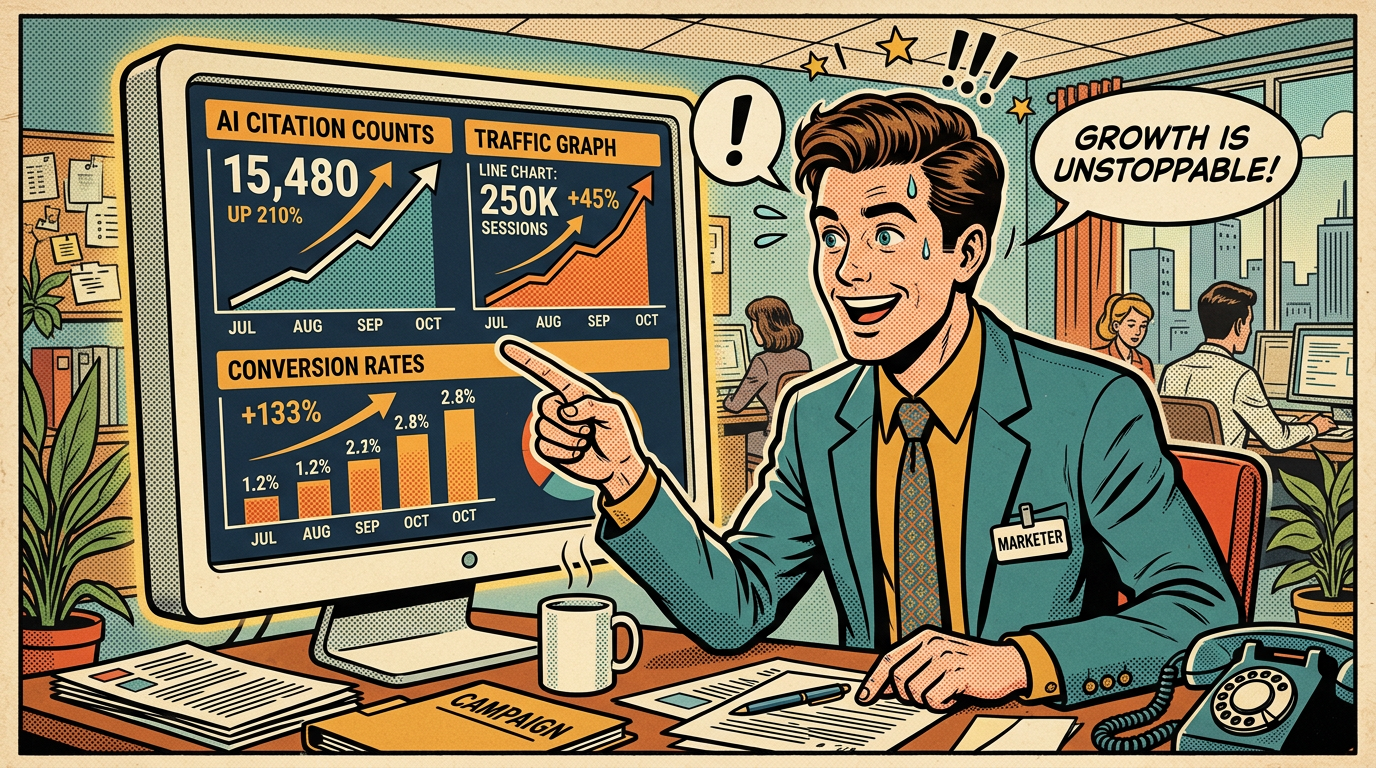
- Assess — Audit your current AI visibility. Are major AI platforms citing your content? Can AI crawlers access your site? How does your brand appear in AI-generated responses vs. competitors?
- Optimize — Apply the seven strategies above. Most of them (structured content, E-E-A-T, freshness, technical foundations) benefit both SEO and GEO simultaneously. The GEO-specific additions are brand mention strategy, entity authority building, and AI crawler access.
- Measure — Track AI-specific metrics alongside your traditional SEO KPIs:
- Citation frequency across AI platforms (ChatGPT, Perplexity, AI Overviews)
- Share of voice vs. competitors in AI answers
- AI-referred traffic in GA4
- Citation sentiment — is the AI accurately representing your brand?
- Iterate — Identify which content earns the most AI citations. Double down on what works. Repurpose high-performing content across formats. Build cross-functional workflows that involve content, SEO, PR, and product teams.
What transfers directly from SEO to GEO:
- Quality content creation
- Technical site health
- E-E-A-T signals
- Topical authority
What is new for GEO:
- Brand mentions > backlinks
- Self-contained, quotable passages
- AI crawler access (robots.txt, llms.txt)
- Prompt mapping and query fan-out
- Citation tracking as a KPI
How Soku Helps You Win AI Search
Understanding your AI search visibility requires connecting data across channels — and that is exactly what Soku does.
Soku's AI marketing agent connects to your entire marketing stack and surfaces the cross-channel insights that inform a winning GEO strategy:
- Track AI-referred traffic alongside organic, paid, and social — see how AI search fits into your full attribution picture
- Identify which content earns citations by correlating content performance with referral patterns from AI platforms
- Spot competitive gaps where AI engines recommend competitors but not you — so you know exactly where to create or optimize content
- Get actionable recommendations — not just data, but specific next steps like "this topic is generating AI citations for three competitors but you have no content addressing it"
The brands winning AI search are the ones with visibility into the full picture. Try Soku to see where you stand.
Key Takeaways
- GEO is not replacing SEO — it is adding a new layer. You need both to reach people wherever they search.
- The window is now. AI search is growing 357% YoY, and early movers are seeing 25X better conversion rates from AI referrals.
- Structure content for AI retrieval. Self-contained, fact-dense passages that answer specific questions directly.
- Brand mentions matter more than backlinks for AI visibility. Invest in digital PR and thought leadership.
- Consistency builds entity authority. Your brand story needs to be the same everywhere AI engines look.
- Measure what matters. Add AI citation frequency and AI-referred traffic to your KPI dashboard alongside traditional SEO metrics.
- Start with an audit. Check which AI platforms cite you today, verify AI crawlers can access your site, and identify where competitors are earning citations that you are missing.
The shift to AI search is not coming — it is here. The question is not whether to invest in GEO, but how fast you can start.