
Soku AI
All tools

AI Landscape Design

Upload the yard as it stands and describe the scheme you want.

Landscape DesignPhoto to Scheme
Before
Before
After
After
Back yard · low-maintenance modern

See all 3 sample results

  • Fence line and boundary preserved
  • One photo in, one scheme out
  • PNG download, no watermark

Sample result gallery

Three ordinary yards, three schemes

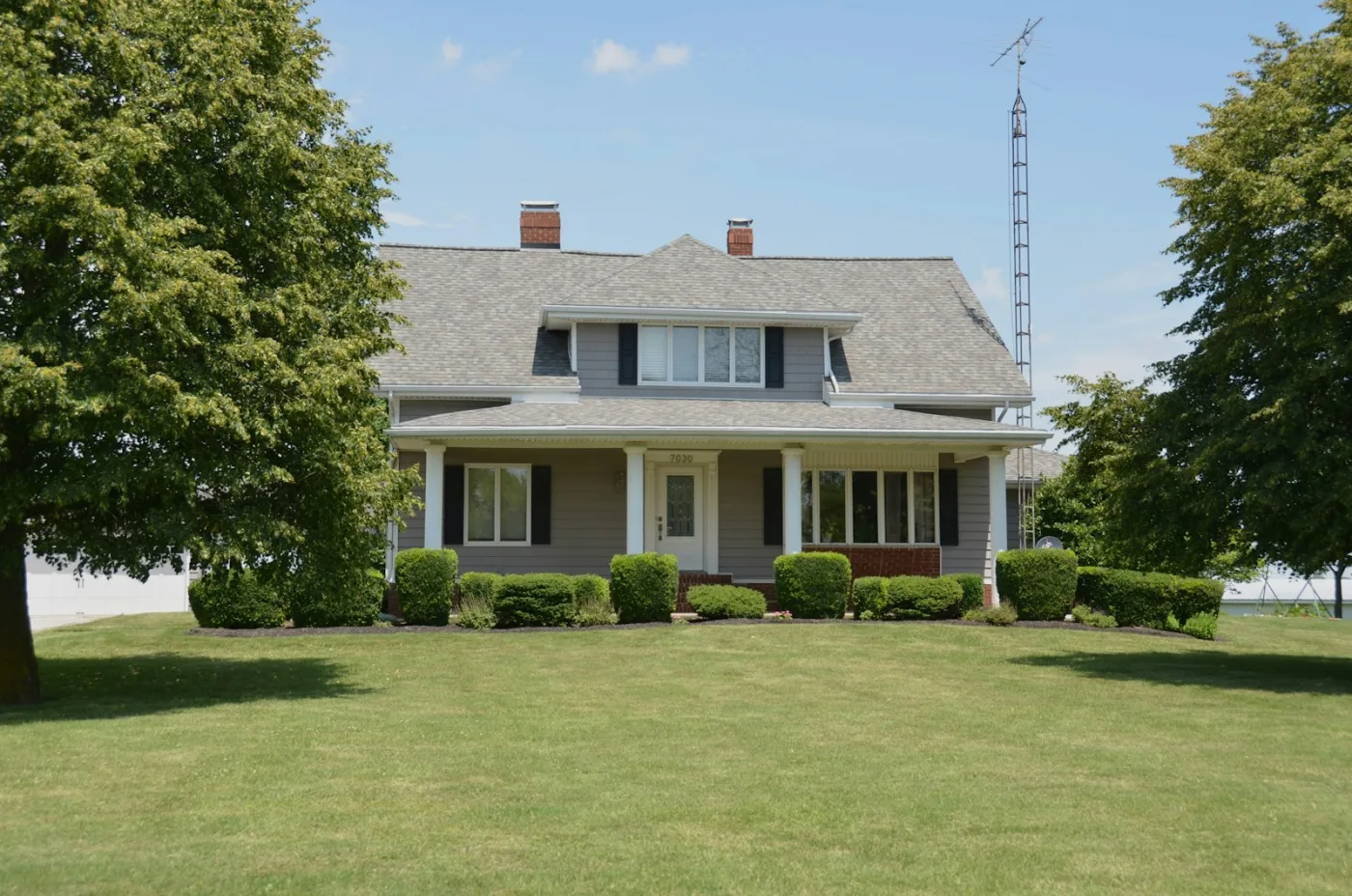
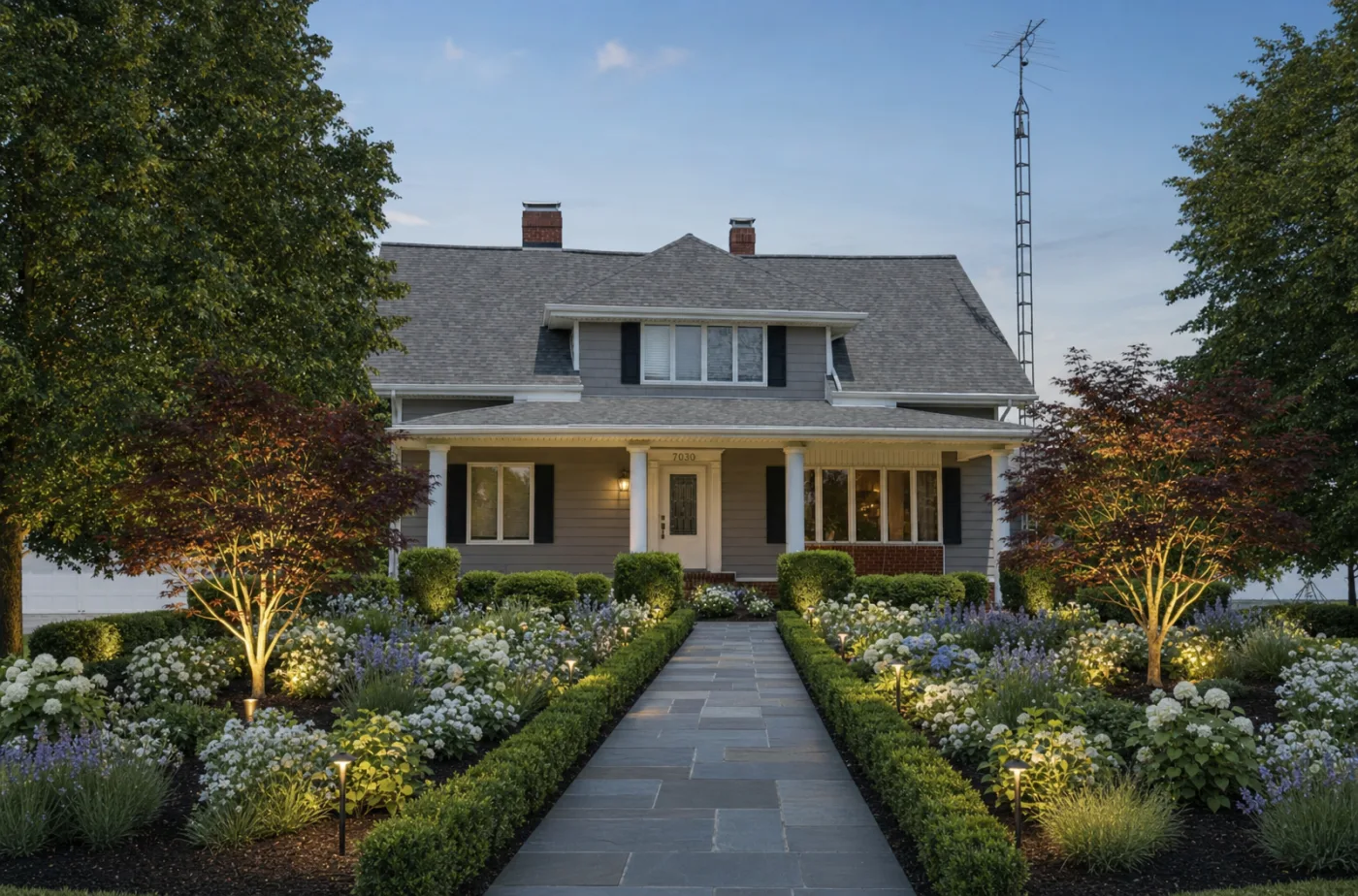
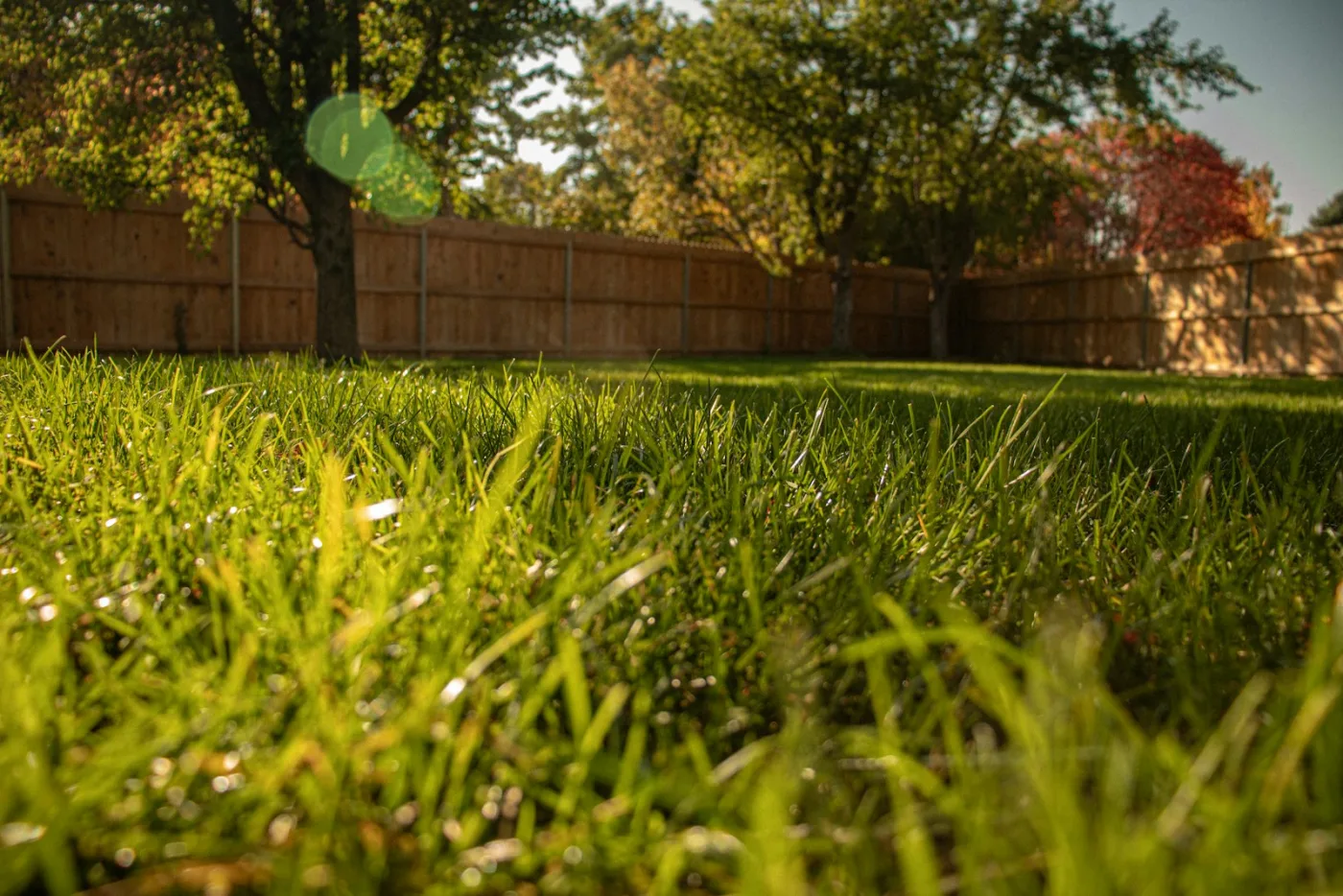
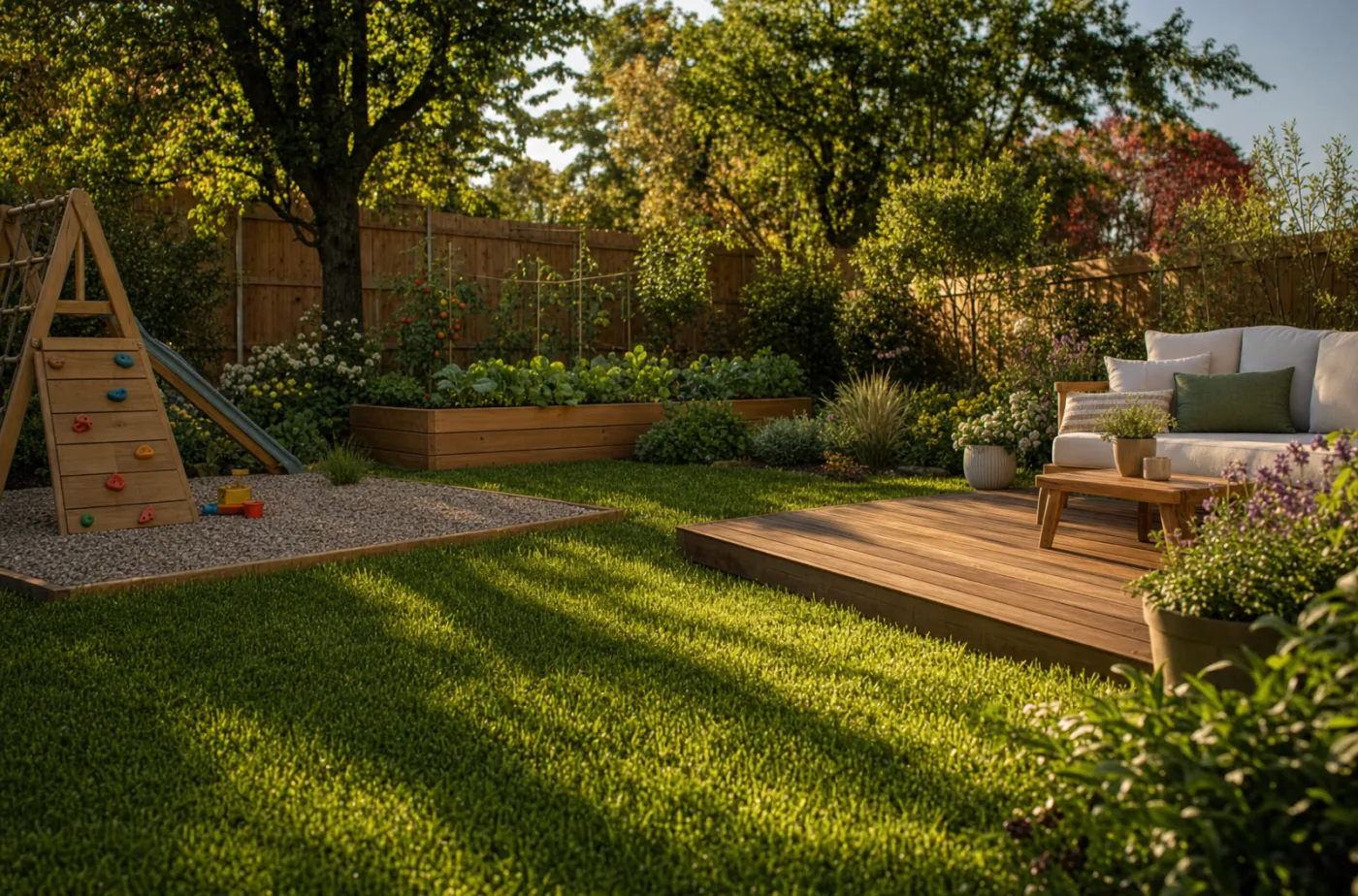
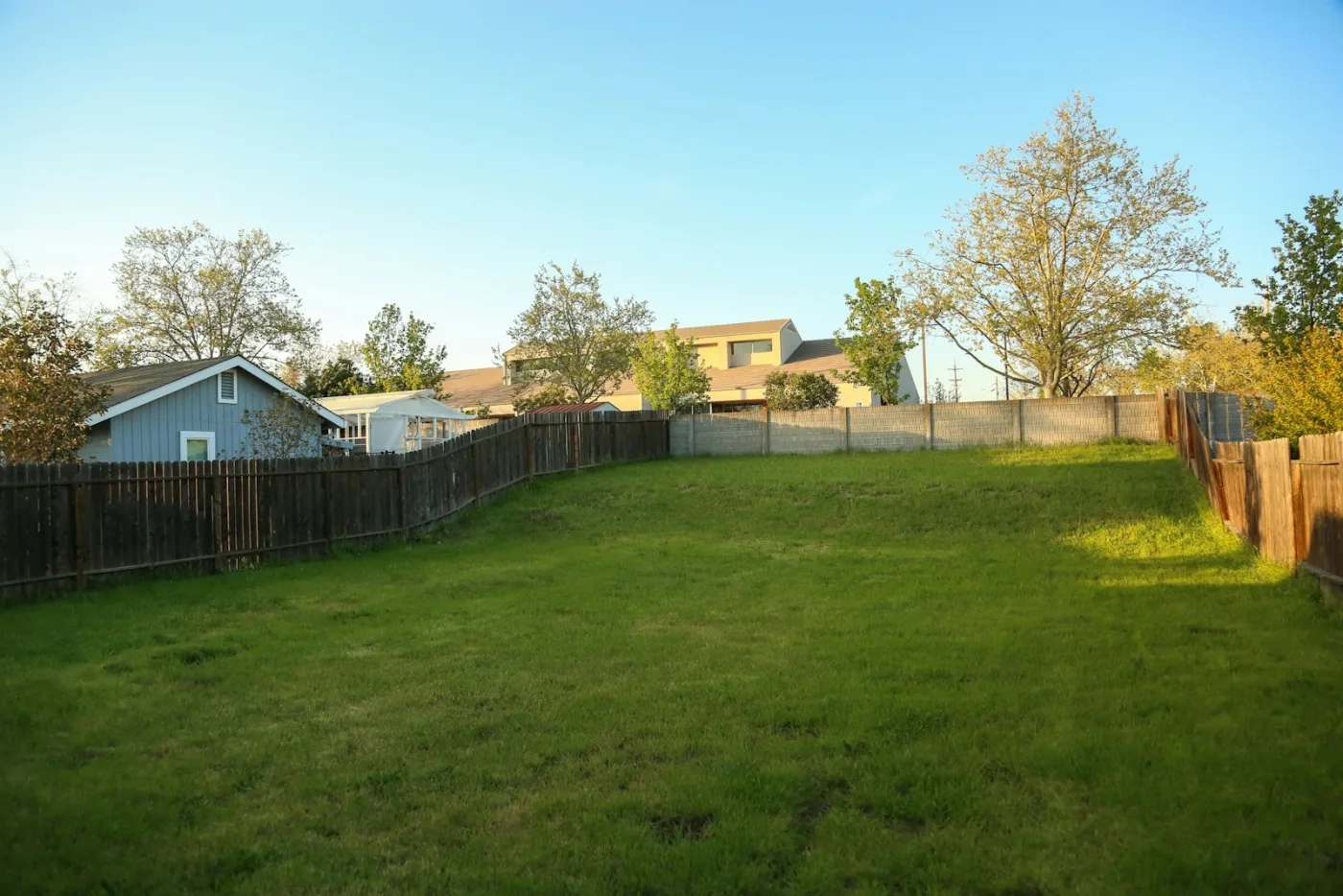
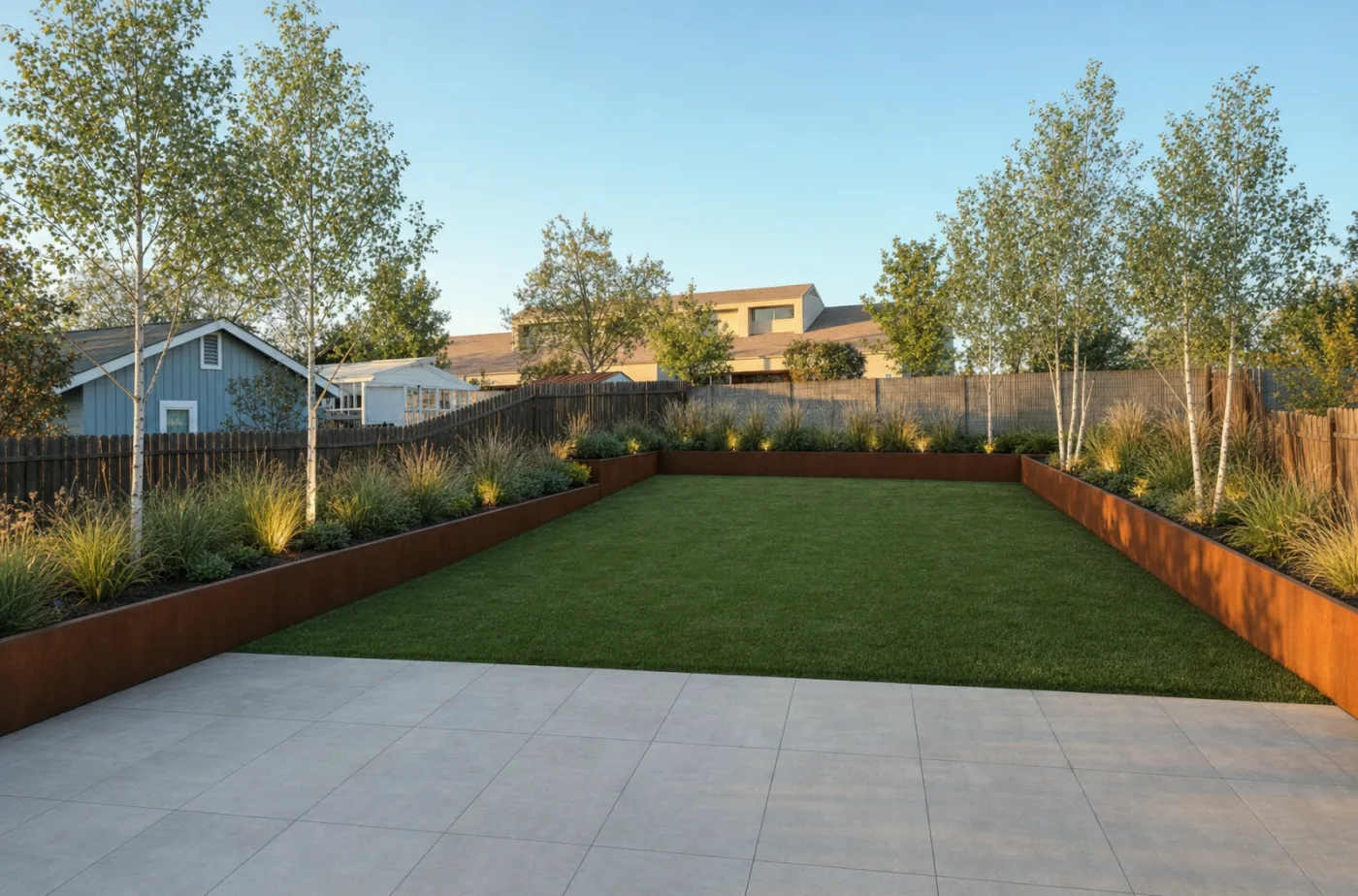
Each pair is one run of this tool on a licensed stock photograph — no customer property. Read them for what did not move: the fence line, the neighbouring rooflines, the house elevation, the existing tree, the ground level. Those are the constraints a real quote has to respect, and a render that quietly deletes them is a render you cannot show a homeowner.

Before
Before
After
After
imageWhole-yard scheme

Back yard · low-maintenance modern

A flat lawn and a timber fence become a porcelain paver terrace, corten steel raised beds and ornamental grass planting, with a strip of lawn kept in the centre. The fence, the neighbouring roofs and the yard proportions are the source photo.

Source: Licensed stock photograph, restyled by this tool
Before
Before
After
After
imageWhole-yard scheme

Front yard · curb appeal

Bare lawn to a bluestone path, low boxwood hedging and layered perennial planting. The house elevation, the porch and the driveway position are unchanged — which is what makes it usable as a before-and-after in a listing or an ad.

Source: Licensed stock photograph, restyled by this tool
Before
Before
After
After
imageWhole-yard scheme

Side yard · family garden

The awkward case: a narrow strip nobody uses. Deck, gravel play area and a raised vegetable bed, with the existing tree and the ground level held in place rather than designed away.

Source: Licensed stock photograph, restyled by this tool

Three deliberate steps

01

Shoot the yard from where the client stands

Back door, front kerb, or the window they look out of. Shoot level and wide enough to include the boundary, because the boundary is the constraint the scheme has to live inside. Overcast light beats bright sun — hard shadows read as ground shapes and get designed around.

02

Name the materials, then pin the site

A scheme is materials, not adjectives: "porcelain pavers, corten steel beds, ornamental grasses, multi-stem birch" gets you somewhere "modern garden" does not. Then say what must not move — fence line, existing trees, ground level, the driveway. Anything you leave unpinned is fair game for the model.

03

Present it against the untouched photo

Download the PNG and set it beside the original. The pair is the argument. A landscape render on its own is indistinguishable from a stock garden, and homeowners have learned to discount those.

Use cases

Who reaches for this, and when

Landscapers and garden designers

Win the job at the first visit, not the third

Most of the sales cycle in landscaping is spent getting the client to picture it. Showing them their own yard in two directions on the day you survey it collapses that, and it costs a photo rather than a drawing package.

Home-improvement advertisers

Before-and-after creative without waiting a season

The transformation is what sells the service, and outdoor work is the hardest kind to photograph on demand — it takes a build and a growing season. A real customer yard gives the ad a specific before that stock never has.

Nursery, decking and paving brands

Put the product in a yard the buyer recognises

A paver in a catalogue photo is a texture swatch. The same paver laid in an ordinary suburban yard is a decision the buyer can price, which is the moment the ad is actually buying.

Estate agents

Show the garden a tired listing could have

An overgrown yard is the single most common reason a listing photo underperforms. Show what it becomes — and label the image, because portals require it. See the FAQ.

Questions before you run it

Does it keep my actual yard?
It keeps the site: the boundary and fence line, the house elevation, the ground level and mature trees you tell it to keep. That is what makes the output usable as a before-and-after pair rather than as generic garden imagery. It regenerates the image rather than editing objects individually, so treat the result as a scheme to sell, not a plan to build from.
Can I build from the output?
No, and you should say so to the client. The output has no scale, no levels, no drainage and no setting-out. It is a design direction, and it is very good at that job — the specific paver in the render is not a product code, and the planting is a look rather than a schedule. A real build still needs measured drawings and a planting plan.
Will the plants it shows actually grow in my climate?
Only if you name them. The model renders what you describe, and it has no idea what hardiness zone your photo was taken in. If the scheme has to survive a Minnesota winter or a Phoenix summer, put the species in the prompt. Ask for "a modern planting scheme" and you will get something that looks right and may not live.
Can I use this in a property listing?
Only with disclosure. Every major property portal, and the law in most jurisdictions, requires a digitally altered listing photo to be labelled as such, and several require the unaltered original alongside it. Use it freely as marketing creative; use it in a listing only with the label the portal asks for.
How much does a run cost?
The free plan lets you try it on your own photo without a card. After that a run is priced per image and the exact cost is shown before you press generate — you do not need a subscription to see the number.