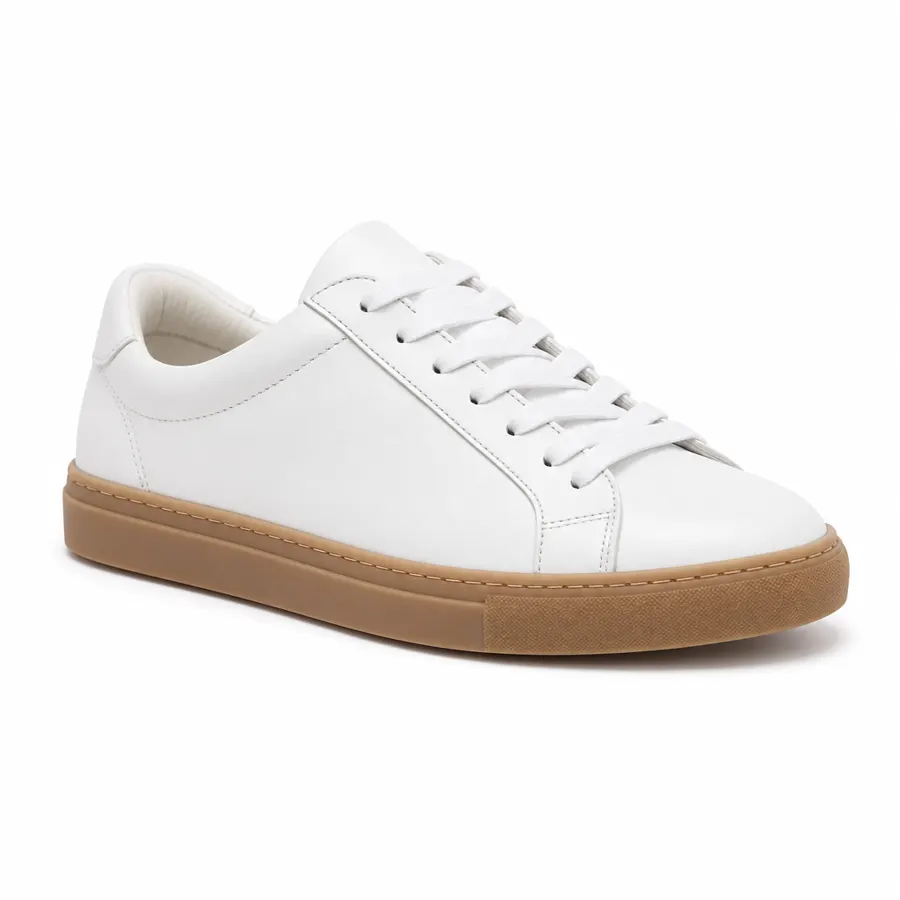
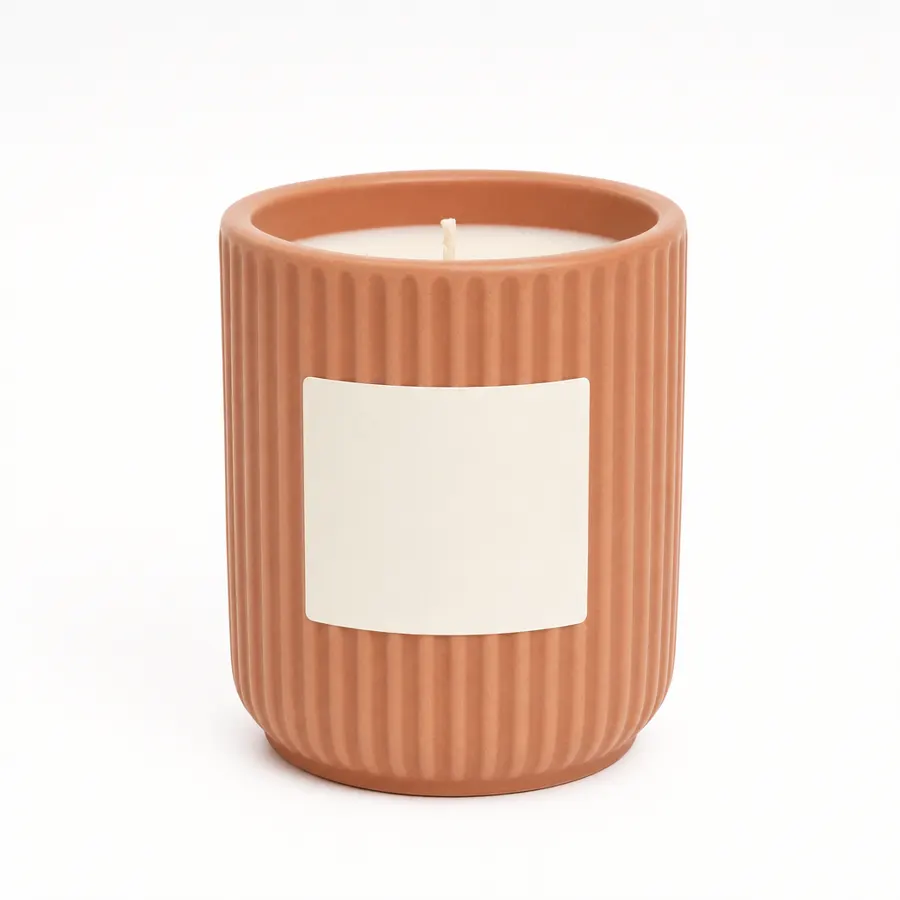
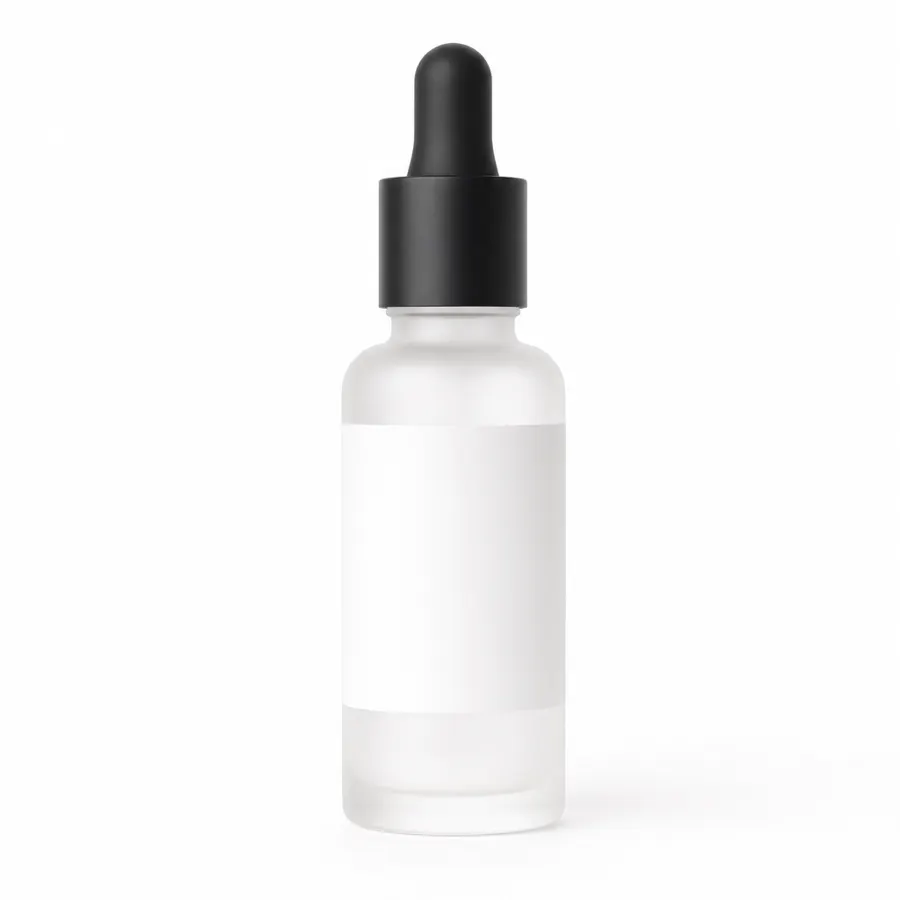
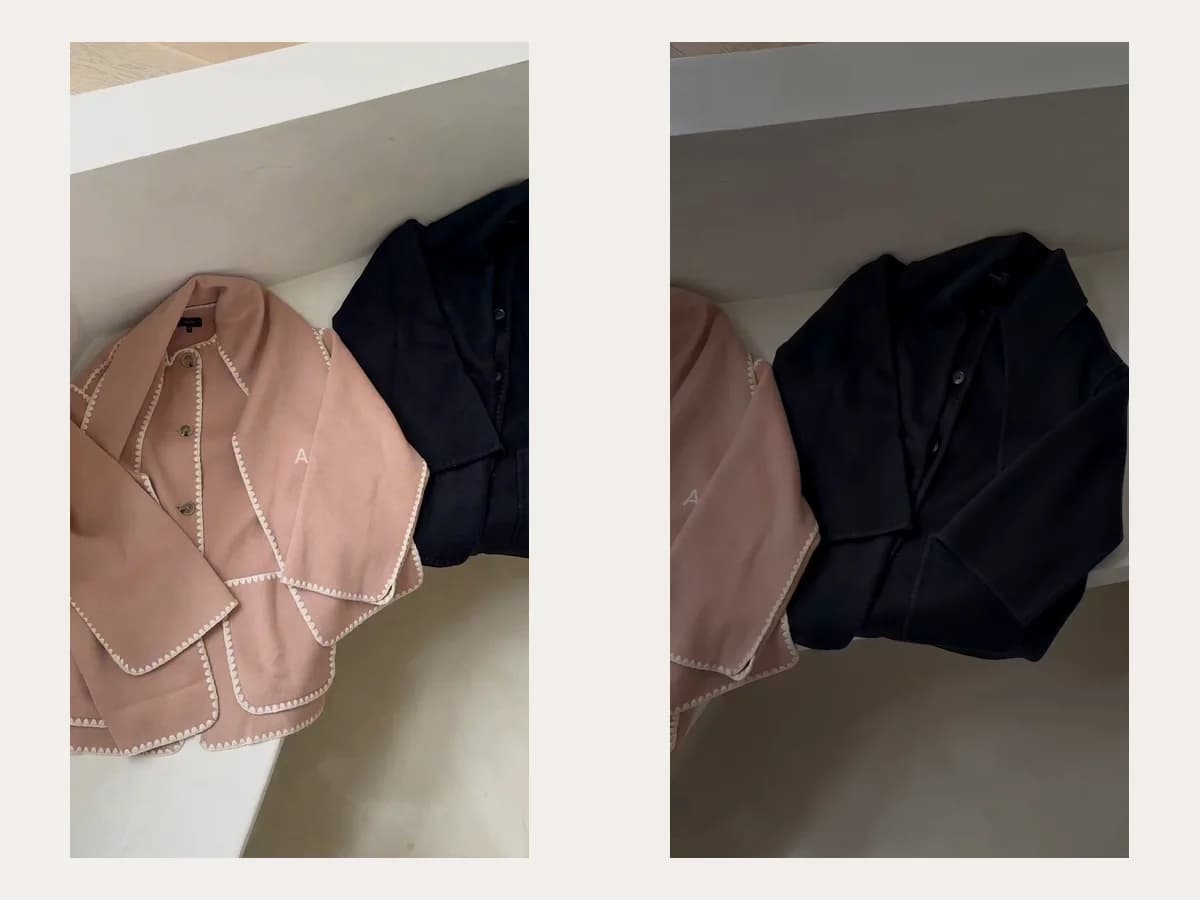
- Does it use my product photos or my product page?
- Both, and it prefers whichever you give it. Paste the link and the page is read for the product name, the price and the image gallery; upload photos and yours win over anything scraped, because a merchant who bothered to upload a shot has told us which one represents the product. With either, the ad is built on the real item rather than an invention.
- What if my storefront blocks the reader?
- Some do — we measured roughly one in three of the storefronts we probed refusing a server-side request outright. When that happens the link yields nothing, and rather than guess we refuse before any credit moves and ask for a photo. Uploading one photo gets you the same ad.
- Can it show the wrong price?
- The price on screen and the price in the voiceover both come from the fact block read off your page, and the prompt forbids stating a number that is not in it — including a discount, a was-price or a shipping promise you did not publish. That binding is deliberate and it is tested. Do check the clip before you run it: this reduces the risk, it does not remove it, and a price in an ad is your representation to a buyer.
- What shape is the output?
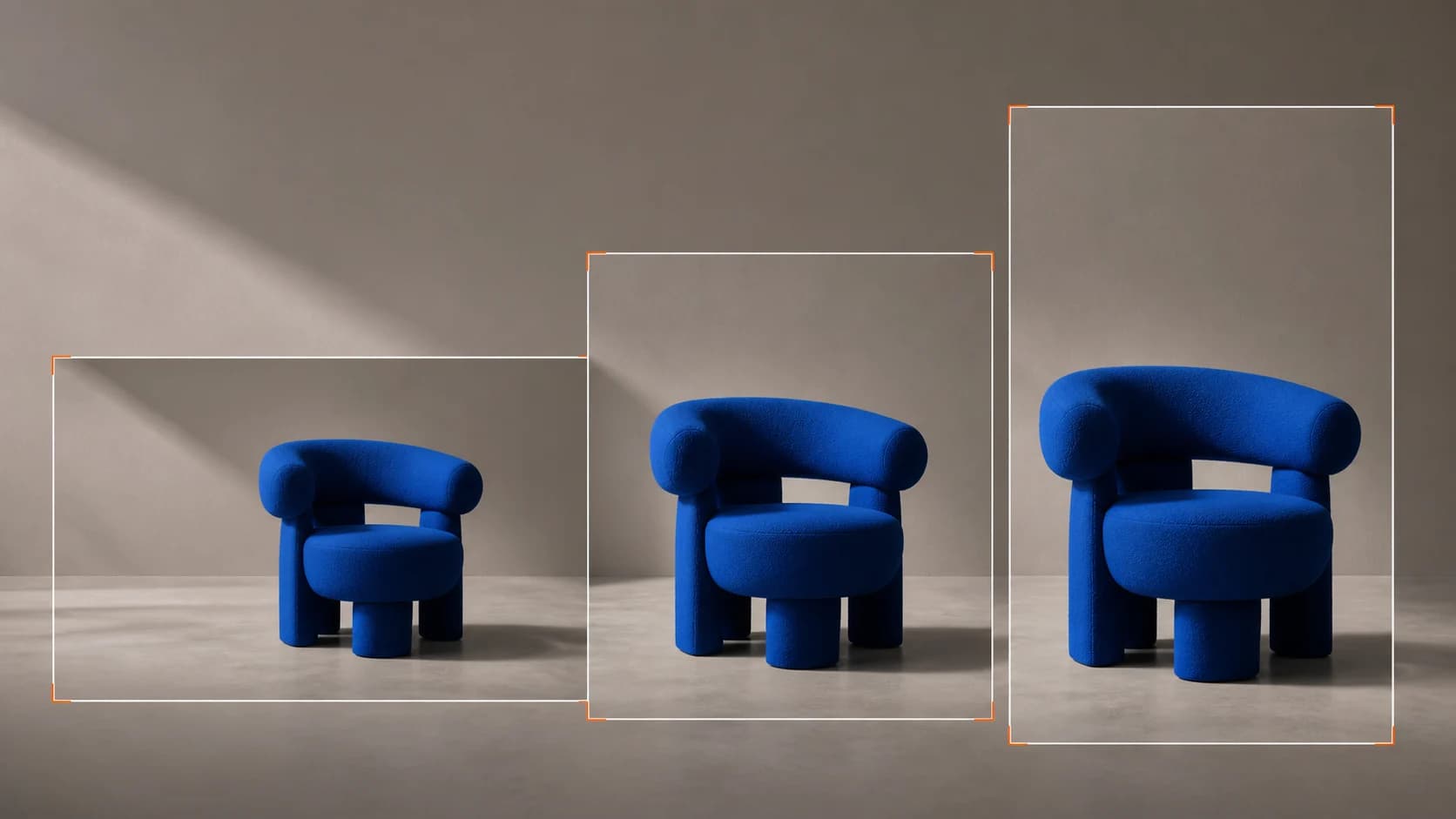
- Vertical 9:16 by default, with 1:1, 4:5 and 16:9 also available — the shapes paid social actually places. Up to 15 seconds a run.
- Is there voiceover and captions?
- No. The model generates an ambient audio bed with the clip and nothing more — no script, no read, no burned-in captions. Add a voiceover with AI Text to Speech and captions in the edit, which is also the only way to guarantee that what is said matches what is shown.
- Can I use it in a paid campaign?
- Yes, the output is yours with no watermark. Two cautions that apply to any generated product creative: do not present an invented product as a photograph of the item you ship, and do not let the clip imply a claim — texture, volume, size — that the product cannot substantiate.
- How consistent is it across runs?
- With a photo or a readable link, very — the same reference produces the same product every time, which is what makes a set of angles usable as one campaign. Without either, the model invents the item afresh on each run and two clips will not match.
- What does a run cost?
- Priced per second and shown before you press generate. The free plan lets you try it without a card.
 Soku AI